Hope you lot had a Merry Christmas. Mouth foaming conservatives, the kind that gave you Brexit and other assorted exceedingly dull culture war dross, claim there’s a war on Christmas from both ends of the horseshoe alliance (dirty Muslims and the woke, etc), or something. In all seriousness, and somewhat related to the preamble in the previous sentence, when did Happy Christmas replace Merry Christmas? Or has it always been interchangeable, and I just never noticed?
Any road, enough rambling about inane shite. To the best songs of 2025. As I mentioned in last week’s album column consumption preferences for music, as the twenty first century develops, is largely digital and single track based. Albums are a secondary consideration, but being too cool for school, old school, or contrarian to some, I mostly consume albums. So, most of my selections come from albums I’ve listened to this year.
They’re in alphabetical order as per usual. Bandcamp links where possible. Wish (Deepest Dub) by Dangerous Goods was released in December of 2024, but I missed it and it makes up for/replaces “Four Hands” by Duval Timothy from the album You Go To The Middle Of Nothing. “Four Hands” would’ve made this list, but there’s no Bandcamp or Soundcloud link, YouTube video or, gnashes teeth, fucking Spotify or Apple Music download/sample link available. If it had, it would. I won’t belabour the point any further here, but I do believe that elitist scarcity encourages piracy. C’mon Mr Timothy (still feels odd) please give us a second vinyl run of this brilliant record with a digital download capability for the plebeians and other assorted wankers without a turntable.
So, 2026 eh? I’m pessimistic about the holistic forecast. At the very least it’ll be an interesting year ahead for music. Good night and good luck to all of you.
I’m not sure what’s more concerning, that, without checking, I can’t remember all the albums which made my Best Releases Of 2024 list, or that it seems only yesterday that I was writing that column.
From now on, instead of restricting myself to albums, I’ve decided to expand the criteria to live performances, live albums and reissues. And only certain reissues apply. Timeless by Goldie would make the list, but doesn’t everyone already have a copy of that? So, I’m only featuring reissues which I haven’t heard before. More interesting for me certainly, and maybe for you too.
Allowing the riff raff (such as YouTube videos) to encroach on one of the album’s last remaining refuges of exclusivity (okay, a tad dramatic, as I’m just referring to this blog) is another attack on the format. This is a fitting capitulation to mainstream culture where consumption preferences are indicative of attention spans shorter than a Goldfish. Few people listen to albums anymore. It’s mostly digital track downloads and curated playlists made up of flac and mp3 files. Even those at the vanguard of the futile resistance – vinyl enthusiasts – have their digital libraries, so we can’t be that dismissive and snobbish. Hypocrisy solves nothing.
One thing does remain the same, there’s no hierarchy to this list, it’s remains in alphabetical order. You really have to laugh at the staffers of these music websites that likely spend an inordinate amount of time debating, texting and emailing each other with pretentiously worded justifications of how to correctly order the site’s best albums of the year. Credit to Boomkat for not succumbing. I fully appreciate that they’re losing out on traffic (and advertising revenue) by holding out, but at least the process of browsing their website isn’t cheapened with cynical clickbaitish bloated end of year lists*.
*Really? A list of hundred albums? Who has time to listen to, or even sample, that many? We’re all too busy surviving. Also, do that many deserve to make a best-of-year list? Does the hundredth best player on Real Madrid’s books sniff the first eleven?
I’ll post my favourite songs of 2025 in-between Christmas and New Year. Normally I’d look to say something conciliatory about the New Year arriving. But I’m thoroughly jaded and over optimism for the sake of it now as things get perpetually worse and mediocrity becomes more expensive. “The rich get richer, that’s the law of the land” as a character in a brilliant movie once said, and it sums up the grim direction of travel. The tech feudalists, corrupt heads of state and crypto bros are scamming away our remaining wealth through government capture, and it manifests in crippling interest rates on our mortgages (if you’re lucky to have one), Avocados costing £2.50 each, Twix bars that perpetually shrink in size and a political class, populated by the worst people imaginable, who protect forms of elitism by appealing to the idiotic dross in our society by throwing red meat at their mis-founded phobias.
Music won’t save us from this decline, but, to quote Terre Thaemlitz, it’s an oasis from suffering. Unless you were gouged just to see a tawdry Oasis reunion concert. I’m convinced this wouldn’t have happened if Brexit hadn’t. All we need now is more nostalgia for things not as they truly were, but how we wish to remember them – a Blur reunion tour with Alex James product placing his gut-rot wine to the punters, while cosplaying his decadent Tory, Grouse beating, tweed wearing lifestyle. The latter was an idea which he shamelessly stole from a sarcastic, ghastly song penned by his more talented bandmates that went to number one in 1995 and remained there too long. If we get a Blur reunion tour there’ll be no hiding from the stark reality that UK has vaulted the shark and completely atrophied creatively, emotionally and intellectually.
Fat White Family’s Lias Saoudi fuses Erasure, Soft Cell, Factory Floor and Warm Leatherette to create grimy camp as fuck club music with heavy phone breathing vocals. Marc Almond surely owns this, right? Worth getting the vinyl copy for the ‘We Carry Our Flamboyance As A Warning’ bumper sticker.
Originally released in 2013, this gets a welcome Bandcamp refresh. Tunes for the comedown in the wee small hours. Sampling and remixing are undervalued skills, and within the house genre nobody does it better than Thaemlitz. Ducktails’ “Letter Of Intent”, “Shishapangma” by Simon Fisher Turner, “Lockdown Party” by The Mole, Will Long’s “Time Has Come” all benefit from the Sprinkles treatment, but Lost Dancefloor is a stand out. It’s thirteen minutes of the deepest puritan blissed out house of house Sprinkles is revered for.
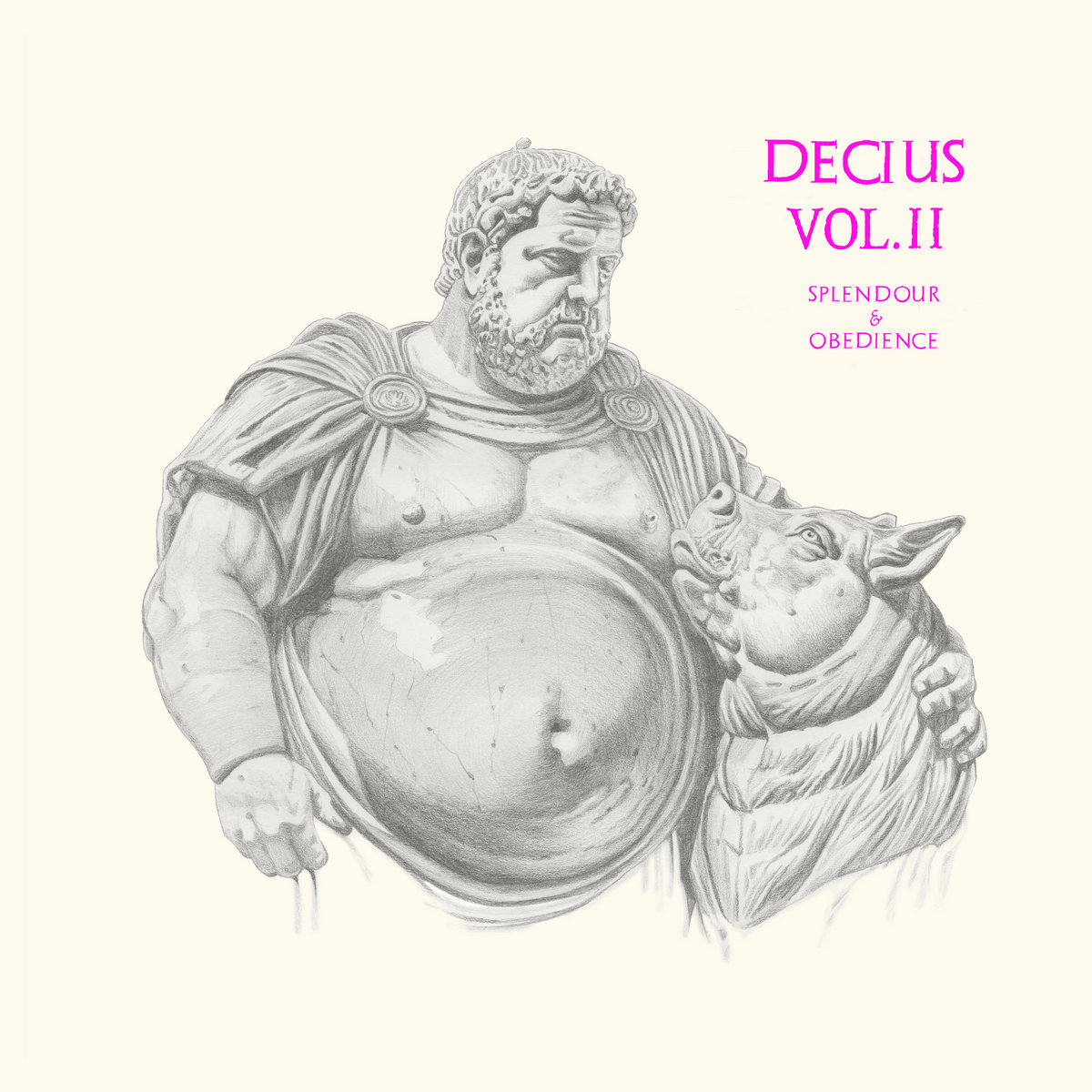
When you have two releases make this list, that’s some going, even if it’s on some random blog. Various piano layers intermingle expertly. Trust me, it sounds as though it shouldn’t work, but it results in instant earworms. Slight gripe here, it’s a limited vinyl only release. C’mon now Duval, or should I call him Timothy? But that’s his surname, so it seems impersonal, even disrespectful? Anyway, confusion over how to address the man aside, give more of us a chance to purchase your music amigo. This deserves a wider audience.
Sixteen uplifting vignettes tethered to mundane elements of everyday life “Dad”, Grass”, “Cement”, with the vast majority being three minutes or under. Mostly piano, with some string, brass, random electric flourishes, and indeterminate voices and conversations, which sound distant, thrown in to create a library music effect at times. This one is more readily purchasable, thankfully
Gillian Welch & David Rawlings – Tiny Desk Concert
These Tiny Desk sets are all gems. This one was my favourite from this year’s batch. Welch’s voice has always been irresistible, so learned yet delicate, and Rawlings can pick it with the best of them. This is country music in its best form, rooted in folk and performed acoustically.
Late addition to the list. Divine instrumental dreampop set from a good bunch of Aussie lads recorded for Do You Radio. The sesh includes a lovely cover of Stereolab’s Brakhage and various cuts from Hugh B’s excellent album Brainwashing. Also comes with a nifty video that has a VHS recording type filter, which fits the set’s vibe.
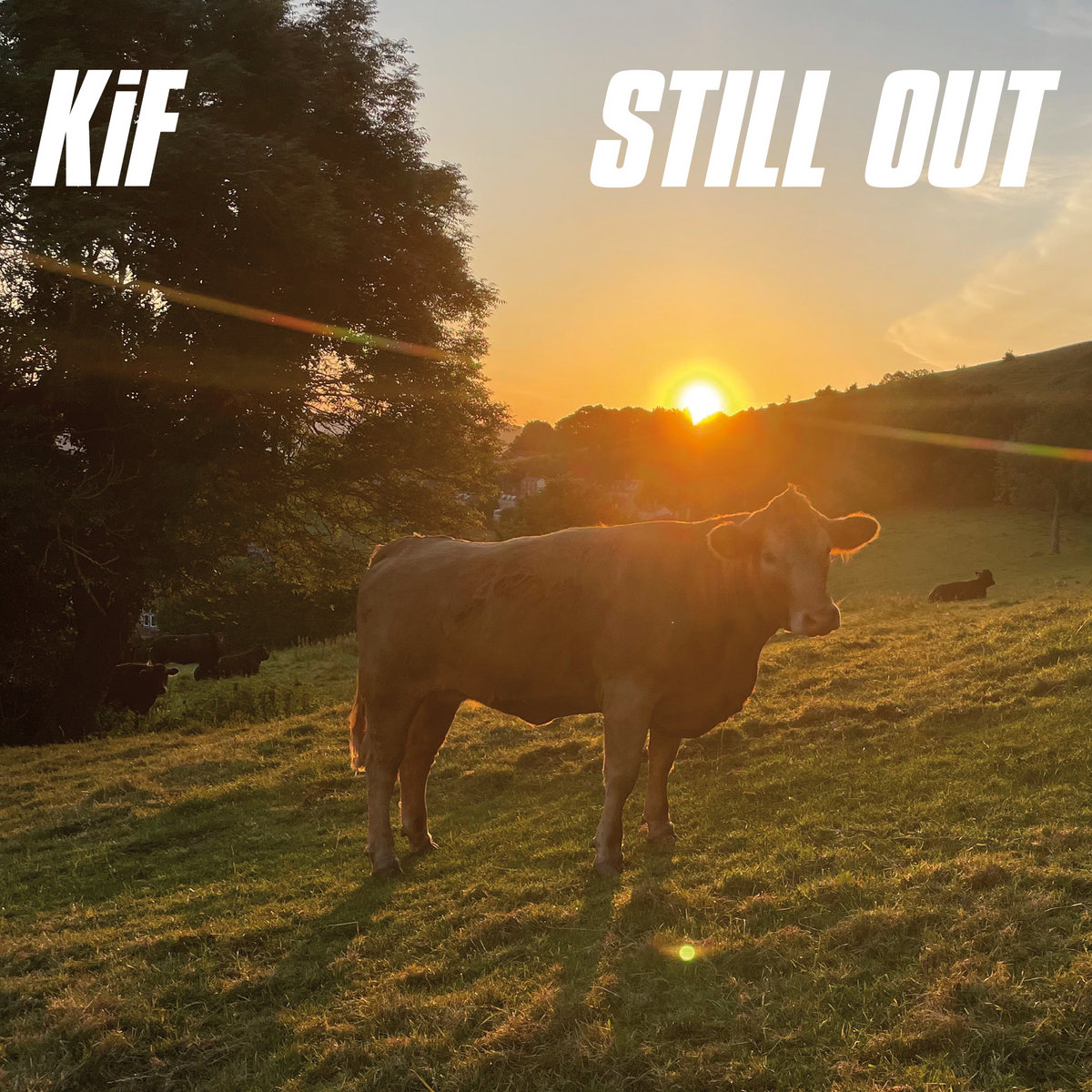
There have been a few attempts at reimagining or repackaging the Chill Out template; samples of song snippets and random, occasionally obscure, cultural references with a hyper personal context to the author. There’s the stuff you expect; the Canadian Loon call made famous by 808 State, creepy and squalid sounds from nature and snippets of sampled dialogue that become sinister seated in this context, there’s even a sample that sounds suspiciously similar to an instrumental of “Pigs” by Robert Wyatt. Most importantly it feels as organic as the original, and sounds how an autobiographical acid trip through rural England might, which is kind of the point.
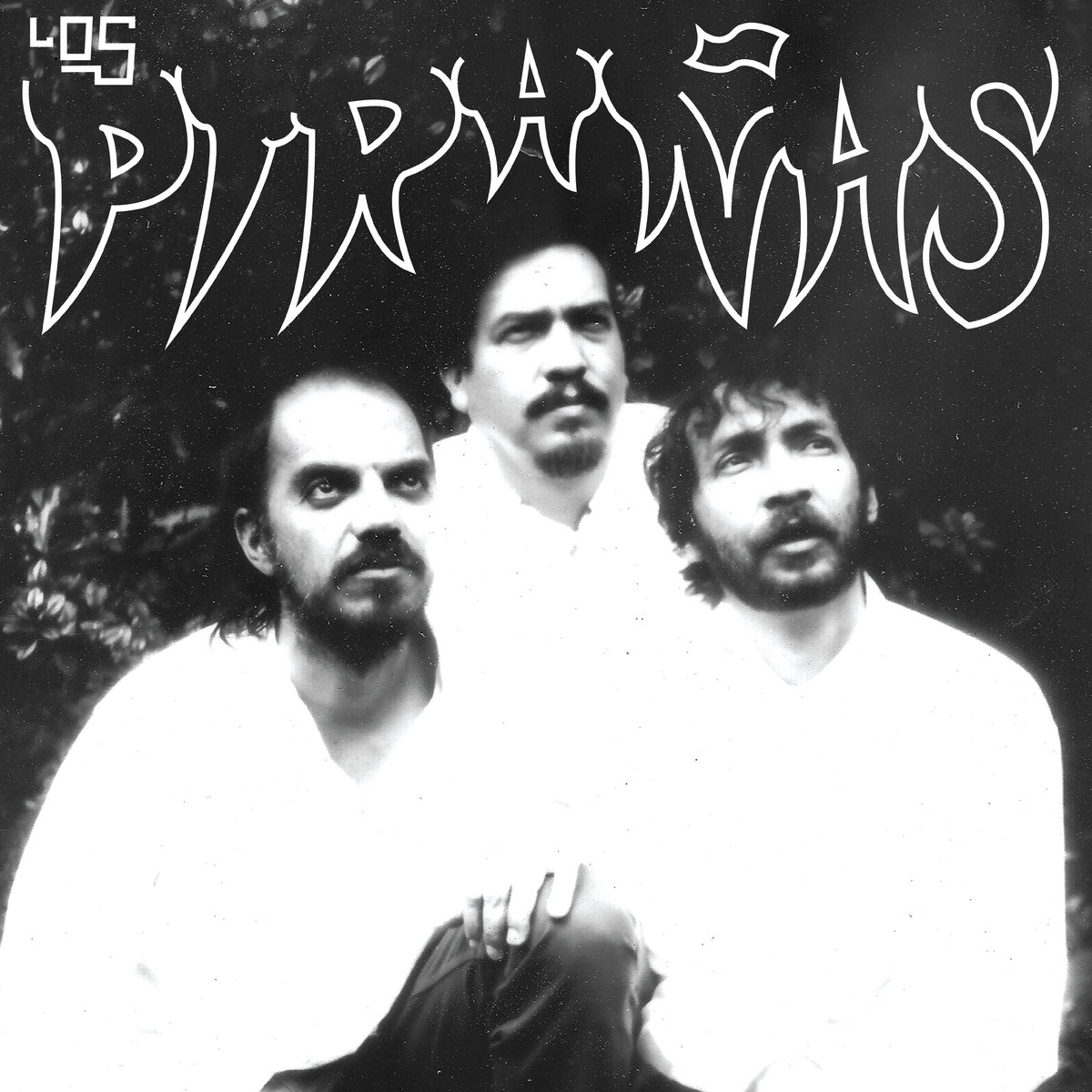
In English the album title means “One More Chance to Succeed in Life”. The finest Colombian vibes percolate as soon as the first track begins. It’s gotten even more engaging now with December’s cocktail – cold, windy, wet and dark – attempts to immiserate. This transports you to memories of better times and or to the allure of sunnier climes in the future.
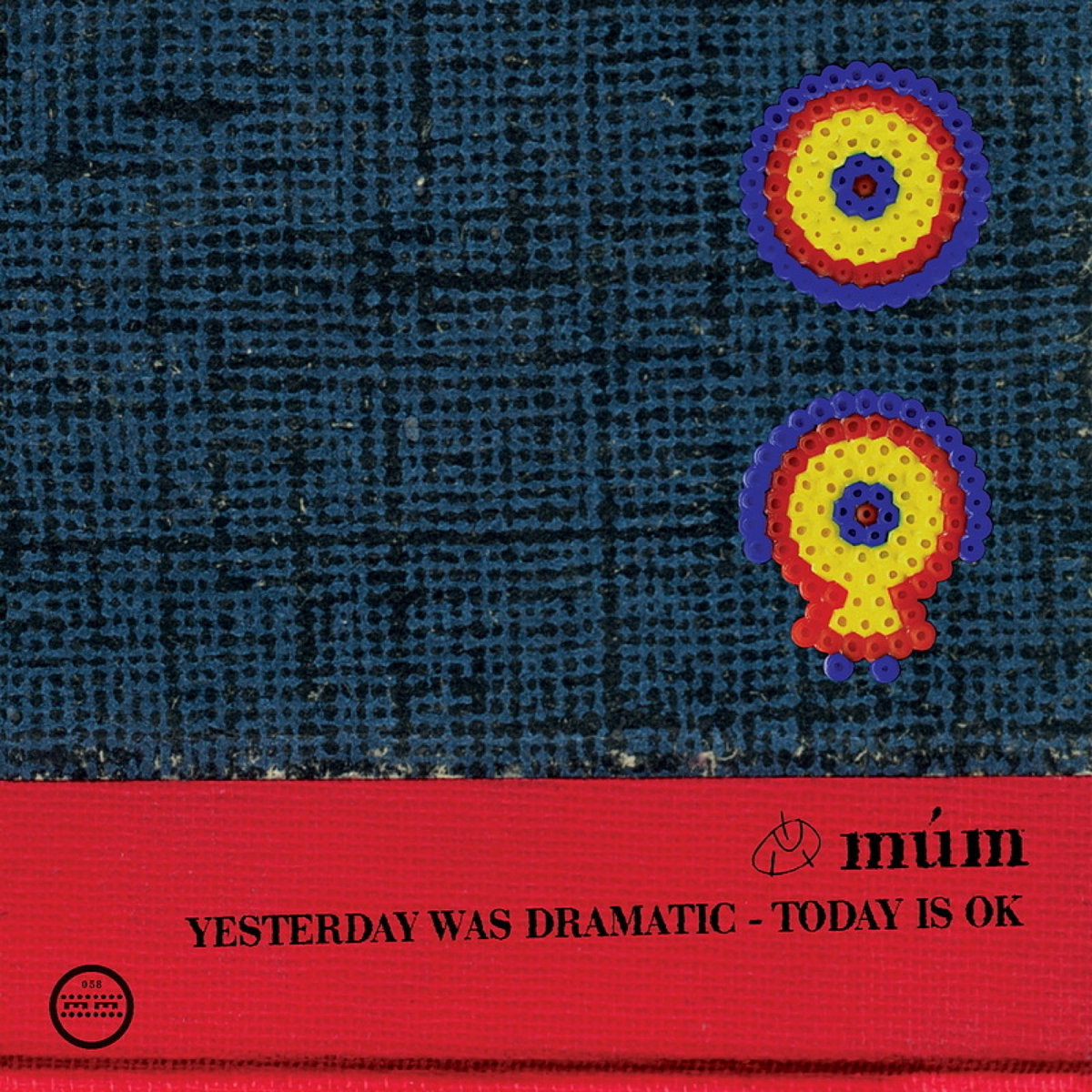
Múm – Yesterday Was Dramatic – Today Is OK (Reissue)
Turns out Björk isn’t the only music to come out of Iceland. Without checking I assumed that it was another one of Richard D. James’ efforts released under another of his many pseudonyms. It’s been reissued a bunch of times since it first appeared in 1999, but until this year’s reissue I’d never encountered it. Very much a product of its late nineties’ context – fragments of fast drum programming fused with lullaby melodies are odes to the Richard D. James Album and I Care Because I Do. Tonally it’s very Boards of Canada in places.
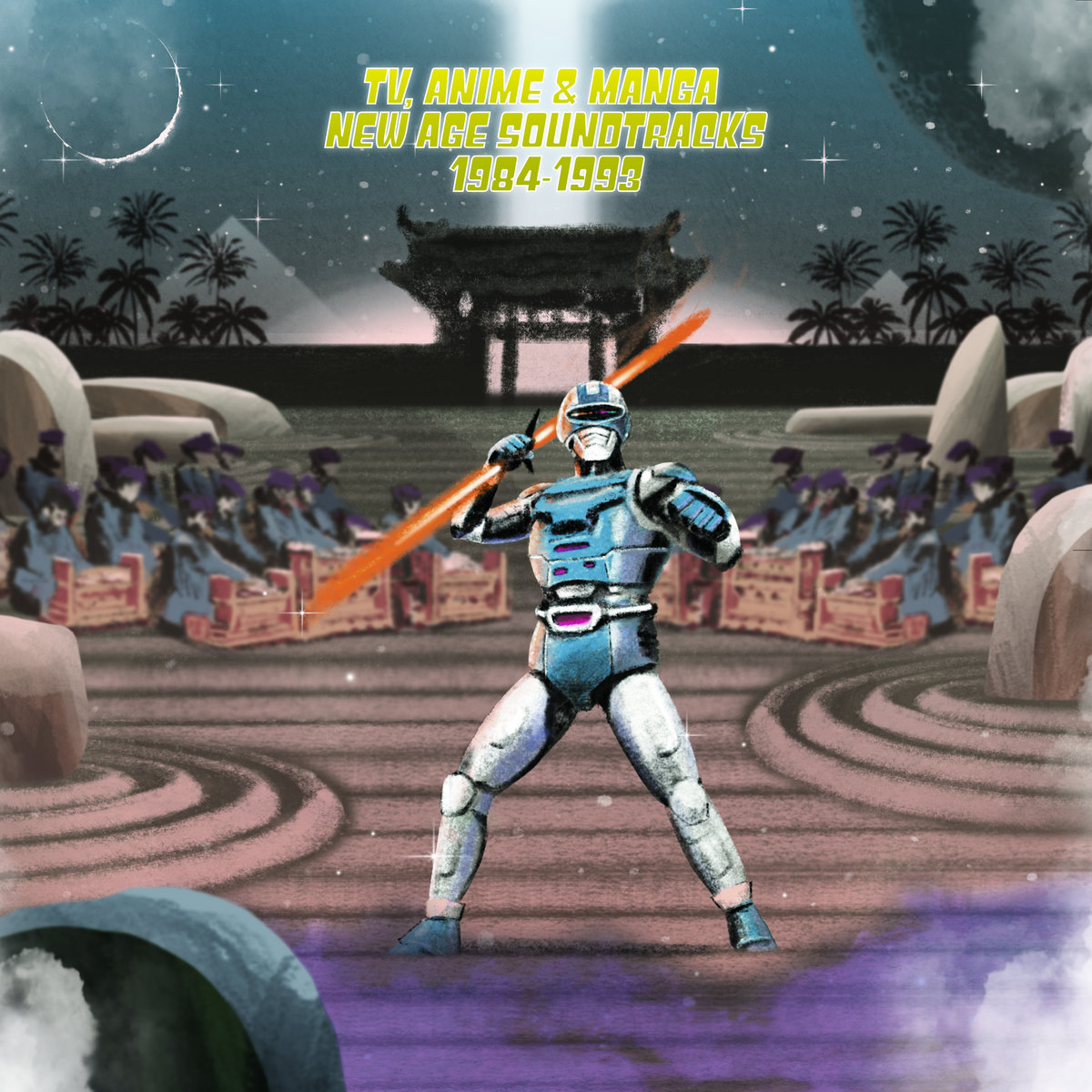
Since that Sochi Terada reissue, I’ve taken every Japanese anime or videogame music compilation I can find. What really impresses is the variety here; the thunderous percussion and choir on “Kaneda” by Geinoh Yamashirogumi from the movie Akira, the Blade Runner-esque “Gishin Anki”, listen to it blind and you could mistake “Tassili N’Ajjer” for a Jon Hassel offering or “Hei (Theme of Shikioni)” which features a lovely high pitched Kawala (I think). Interesting that the album title plumps for “New Age”. Traditional sounds were lent on thirty years ago to fashion instrumentals that felt contemporary then and do so in 2025 – or maybe we just haven’t truly progressed since?
So, Tuesday 18th November 2025. A Baltic night in Glasgow. Air so cold it was heavy. Freezing rain felt imminent, and, oh yeah, only the small matter of Scotland versus Denmark at Hampden with a guaranteed place at next summer’s World Cup on the line. I was not confident. We needed to win; they needed to avoid defeat. Falling at the last hurdle, in a manner that was omni-shambolic but simultaneously felt tragi-heroic, is Scotland’s specialty. I could picture it, as it was a movie I’d seen umpteen times, and was therefore braced for it – we take the lead, Denmark eventually assert their technical dominance, we defend doggedly, and then concede late in the cruelest way via a ghastly mistake or from a fluke deflected goal.
And we did take the lead. Scott fucking McTominay with an outrageous overhead kick. It’s easy to say in retrospect that the manner of the goal should’ve been a sign that this was going to be the start of something special. The goal did deliver one certainty – this match was going to be taxing for the nerves.
Articulate to a non-Scot that our proclivity for failure is surely mitochondrial deep and it will be met with rolled eyes or confusion. Our sense and belief that it’s innate, and that it transcends football, is entirely logical. Glorious failure is embedded throughout our history, shaping our national identity (including our national anthem) and, in its most damaging incarnation, inculcating a “woe betide us” psyche. The closest comparison is the pathos of England fans when their team is faced with the prospect of being involved in a penalty shootout. Even I’ve learned to empathise with their plight – except those who wear Sun hats or chainmail and sing about Agincourt when they’re playing Germany. Different circumstances and stakes, yes, but we share an understanding that the heart can only be broken so many times before pessimism inherently supersedes hope.
Within minutes pessimism had reasserted itself, defeating any urges to think positively and to preserve my sanity. Denmark began to dominate territory and possession. There was still seventy-five minutes to play. We’re Scotland, and there’s fucking no chance we’re holding onto this lead with Grant Hanley at centre back.
About twenty years or so ago, when Scottish football was truly at its nadir under Berti Vogts, I had firmly resigned myself to the possibility that Scotland would never qualify for a World Cup again.
The FIFA presidency seems to attract the greediest, most venal neo-liberal lizard people on planet Earth to the post. Joao Havelange, Sepp Blatter and now Gianni Infantino have never turned down a bribe or an opportunity to enrich themselves. Selling the rights to host the tournament to wealthier nations ran by despots and autocrats is despicable enough. But their greed is most apparent in the ludicrous expansion of the World Cup finals from twenty-four teams in 1994 to forty-eight in 2026. It has diluted its regal exclusivity and sense of importance and spectacle. Now it’s a bloated cash cow to be milked, with a slew of meaningless group games littered with mediocre sides (and yes, this includes Scotland). More games mean more money, via sponsorship and TV revenue, more obscenely priced tickets to gouge fans, and more games to bet on. It’s over a week later, and the euphoria has somewhat subsided, so let it be said that Scotland’s chances of qualifying have not improved with better player development or progressive tactics, but rather lamentably the insatiable avarice of the corporate, oligarchical, political and jet set class.
Depressing stuff, so was Denmark equalising, deservedly, not long after half time. And I was lamenting that we looked outclassed and completely incapable of fashioning a response. We were heading for the dreaded playoffs as things stood. Scotland in a playoff setting only appeals to the masochists.
With Scottish sporting endeavors there’s normally a but… Andy Murray aside, it’s almost always the negative kind. If there’s a way for us to fuck it up, we surely will. This fatalistic dread has been taught through repeated trauma, as we’ve witnessed the generational failures of the national football team at the group stages of finals tournaments. The greatest hits – stupidly scoring first against Brazil in 1982. Gary MacAllister’s penalty miss against England, who were playing nervously due to being under immense pressure, at Euro 1996. A preposterous sequence that saw us eliminated by losing to Peru and drawing against Iran only to beat the Dutch (which made the final) in a dead rubber in 1978. Only managing one goal and one point at Mexico 1986. Losing to Costa Rica at Italia 90.
You’ll note that these “disappointments” are from a bygone era. Never mind the seventies and eighties Scotland sides, featuring Denis Law, Billy Bremner, Graeme Souness, Alan Hansen and Kenny Dalglish. Expectations were raised by the France 1998 side of Colin Hendry, John Collins and Paul Lambert. In comparison to what we’ve had for most of the last quarter century even this period of late nineties Scottish football now seems like a golden age. Back then we were just good enough to be teased, as we usually qualified, then completely froze on the biggest stage.
Denmark had a man sent off on the hour. Here’s where we insert the clip of Al Pacino from the suitably catastrophic Godfather Part three: “Just when I thought I was out, they pull me back in”. It was still 1-1, and Denmark still looked as though they were playing with eleven for a good period after the red card. We looked anemic. Then, out of fuck all, Lawrence Shankland scored. 2-1. Hampden roared, my spirit soared.
My first experience of Hampden was the polar opposite of this unfurling carnage. It was a friendly against the Dutch in March of 1994 in a half-renovated Hampden. It was laughably sold as a new dawn for Scottish football. It was the first match of the demoralizing, destructive tenure of the utterly milquetoast Craig Brown and Hampden’s first match in a couple of years. The latter akin to the lukewarm welcome an aging actress receives after reappearing with a ghoulish facelift.
And this was a Dutch team low on star-power. No Koeman, no Gullit, no Van Basten and the gate was thirty-thousand, if that. A whole empty stand constituted of cinder blocks that appeared as black as a void under the floodlights didn’t help the atmosphere. Neither did Bryan Roy scoring the winner or Scotland playing a style of football they’d have considered anachronistic in 1911. The most entertaining thing was the Dutch away support. We were sat near their section. I was mesmerised by the garish tangerine garb and by their large marching drums resting snugly on their pot bellies. The drumming was so loud and perpetual I felt as though it gave me a concussion.
2-2, in what seemed like a flash. Now I felt tempted to give myself a concussion. The familiar agony had returned, and now, instead of agonizingly slowly, the clock was running down quickly. Too quickly.
When the ball arrived at Kieran Tierney, and I saw him shape his body up to shoot, I’ll admit I muttered loudly, with teeth gritted, “don’t you fucking dare son!” Get it to the wide man and get another cross in was the percentage play. That was the Scottish football fan in me, my Inland Empire (for all Disco Elysium players out there) foreboding that he would shank or sky it.
Tierney didn’t. Elation. Relief. Disbelief. Hampden went wild at this successful exorcism. I caved too and started to picture Buckfast, Kilts and Wee Jimmy Krankie hats on the streets of Hollywood instead fentanyl, wide leg jeans, Balenciaga trainers and Starbucks. Deep fried Mars Bars being consumed in a Chicago deli. The Saltire draped over the Washington Monument. A traffic cone placed on the Statue of Liberty’s heid. The Tartan Army is coming to America to kick ICE’s arse. What do you think about that Donald “Where’s yer troosers on Epstein’s island” Trump? What a time to be alive.
But wait, as another famous Yankee once said; “it aint over till it’s over”. There was still roughly five minutes of added time left to play. We weren’t there yet. Some cunt near where I live in Knightswood started setting off fireworks before the final whistle – tempting fate, or perhaps they had plugged into the ethereal realm and achieved clairvoyance of what was to come next.
Before what was to come next was four minutes of retching, sweating and palpations. I was locked in a pose somewhere in-between standing and sitting, hands on knees, the kind of posture you assume when you’re in serious discomfort trying to bake a wickedly sulphuric curry turd in your bowel. Then came Kenny McLean, Rutherglen’s finest son, to remove all doubt and avert all scatological pratfalls, and send us orgasmic, and Hampden stratospheric, with a legendary goal from the half way line. If Leo Messi had scored that one it would go down in football folklore. Kenny will just have to settle for his place in Scottish football folklore, no small feat.
Scotland will never win the World Cup or the European Championships, or perhaps even reach the knockout phase of either. We’ll probably get knocked out straight away next year in the US. But that’s fine. Because tonight, and for one night only Matthew, we felt like winners. I did the Reeves and Mortimer George Michael dance because we rolled away the stone of bravura failure, and most essentially purged a sense that we’re cursed and always destined to faceplant in the most exasperating way imaginable.
Against Denmark something truly magic happened, we elided fate, stuck two fingers up to the heavens and gave the cosmos that’s ambivalent to our suffering one hell of a beating. Hampden was rocked by catharsis at the final whistle. Later the wee man dressed as Batman bounced outside the ground. No matter what comes next, we can finally believe that our path is mutable, not destined. That soothes the soul. A part of mine is now at peace, as finally I bore witness to it become manifest. Man, sometimes life is truly worth it.




 Wichita Lineman Was A Song I Once Heard
You must be logged in to post a comment.