I always write something for this blog once a month. Normally, there’s always an idea, or something going on to have an opinion on.
This month presented a problem, or a void to be specific. I’ve got a few bits of writing I could develop, but whether they’re suited to the short story format is debatable.
The Russian invasion of Ukraine is going as poorly for Putin as his latest facelift, but this humiliation (I’m referring to the invasion and the ill-equipped Russian army, not the facelift, though maybe the invasion was a distraction from the facelift?) means it looks set to last a while yet, and it could potentially escalate.
Do you want to read another boring rant about the political farce perpetually unfolding in Westminster? That the lettuce outlasted Liz Truss could make the impressionable believe that judgement always eventually calls on cronyism and incompetence. Boris’s misguided attempt to become leader again should disabuse that one. It was fitting that the glazed eyes of a lettuce portrayed more depth and authority, in fact just life, than the now ex-Prime Minster when she was speaking like a badly coded NPC during her numerous car crash interviews and speeches. It’s never a good sign when the person at the top of the power structure wears the confounded expression that you’d see on a Labrador watching a Ted Talk.
Maybe I could’ve written a call to arms insisting that we all laugh at Kanye West – sorry it’s ‘Ye’ now, my mistake – and the immolation of his entertainment career/empire (none of his musical output is on this list, I assure you). But since when are clowns and dickheads funny?
I’m in my forties now and I’m Wee Jimmy Krankie about that. If I’m presumptuous my glass is currently half full. Physically I mostly feel the same as I did fifteen years ago, but I know I am getting older. Things, and the drive to do them (but not necessarily the right things) increasingly feel more urgent, as you realise that your time to indulge in forms of hedonism while you’re still physically able is finite. That, in a nutshell, is the essence of a mid-life crisis. Fear not of death but impending erosion of the last remnants of youth. I’m not quite aching in the places I used to play as the prophet once said, but getting out of bed is just a wee smidge harder than it used to be. Penis-extensions, hair transplants, liposuction, maybe some pec and ab implants, a twenty-year-old Russian mail order bride to replace your cantankerous sagging wife or buying a flash convertible are the alpha clichés. My mode of resistance to the sand of my youth slipping through my fingers appears to be beta as fuck – compiling a list of my favourite albums. So, a big thank you to my existential anguish for motivating this month’s blogpost.
I’ve always been enticed by the truism that someone’s taste in music, what albums they own, particularly Vinyl records, offers considerable insight into who someone is. It’s similar to analysing a tree stump to find its age. Your album collection reveals a social and cultural genealogy, the time and place you occupied, who your parents are or were, who your friends are and the milieus you inhabit and inhabited. So I consider this list a form of introspection.
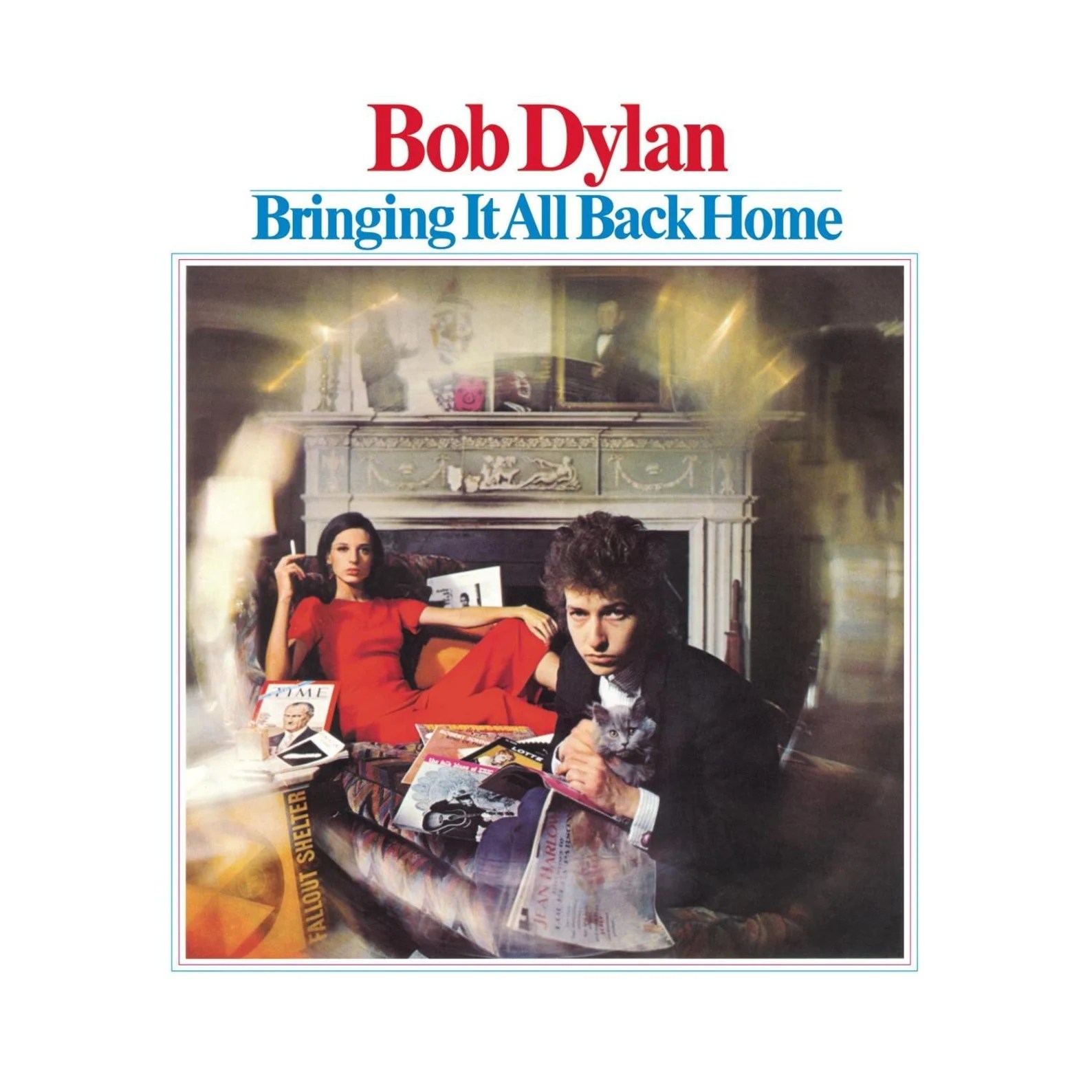
The art should never be ranked crowd will roll their eyes at undertaking a ranking of the most subjective of mediums, and claim it to be the height of bad taste. To that I say who cares about taste, as long as it’s genuinely yours, and anyway, they’re bigger bores than me who can get fucked. I take on board the valid criticisms, sincerely. Try as we might to resist, what’s fashionable always permeates what we listen to. My mood and place often dictates what I want to listen to. Feeling introspective? Slap on some Lenny Cohen or Bob Dylan. Jacked to the tits, feeling like a boss, a bit of James Brown is just the ticket.
To cut through any biases created by temporary fits and whims I’ve only selected the albums I listen too regularly. Regularly means several times a year, and that I do return to them consistently. Lazily I used the play counter on my media library to guide me as I have a lot of music. This produced a troubling revelation, that I don’t listen to the vast majority of music that I have, and I suspect that’s quite common. If I sorta dig something but forget about it, or only listen to one or two songs from an album, there’s no chance it makes the cut here.
When making such a list it’s essential to be truthful. Let’s start with the motivation, this is a list about my listening tastes today (and my life to this point). Best of music lists can be felled by various forms of disingenuousness. No pandering to a consensus or to be proportionally representative to specific characteristics; sex, genre or race, and no showing off, there’s going to be a lot of well-known stuff on here (the kind that often populates these lists on commercial music websites). I’m suspicious of a top albums list chalk full of esoteric bootlegs, mixtapes or largely unheard acts.
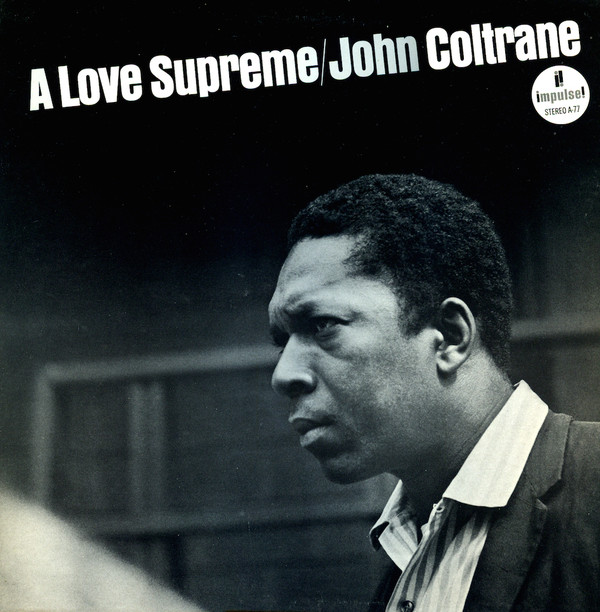
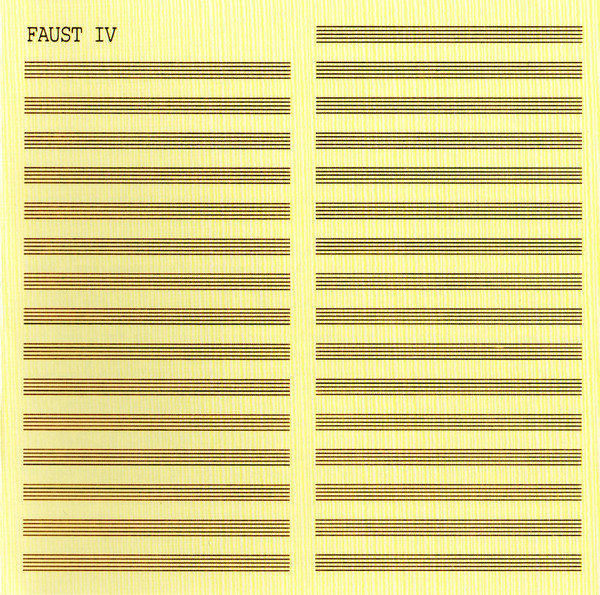
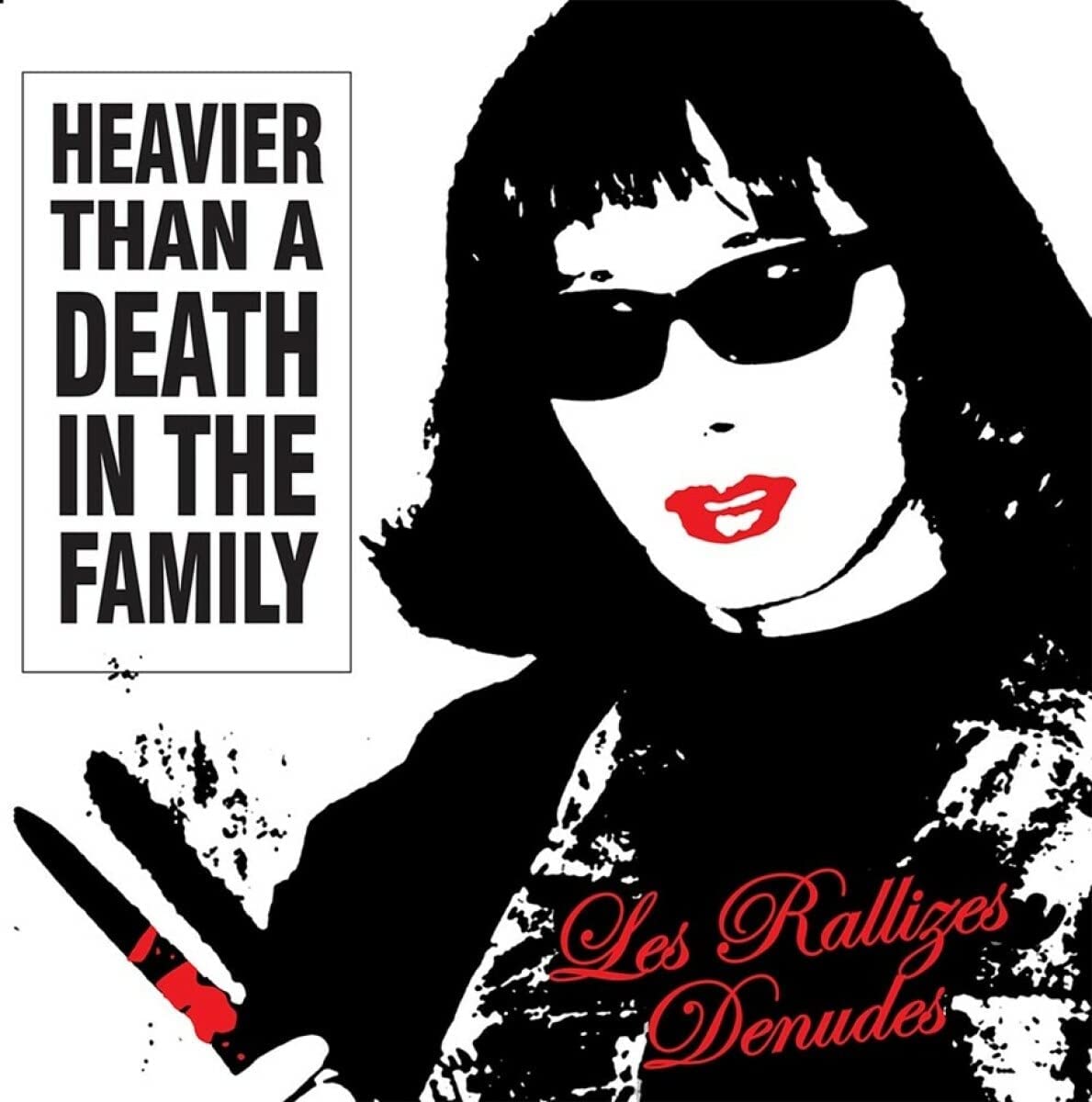
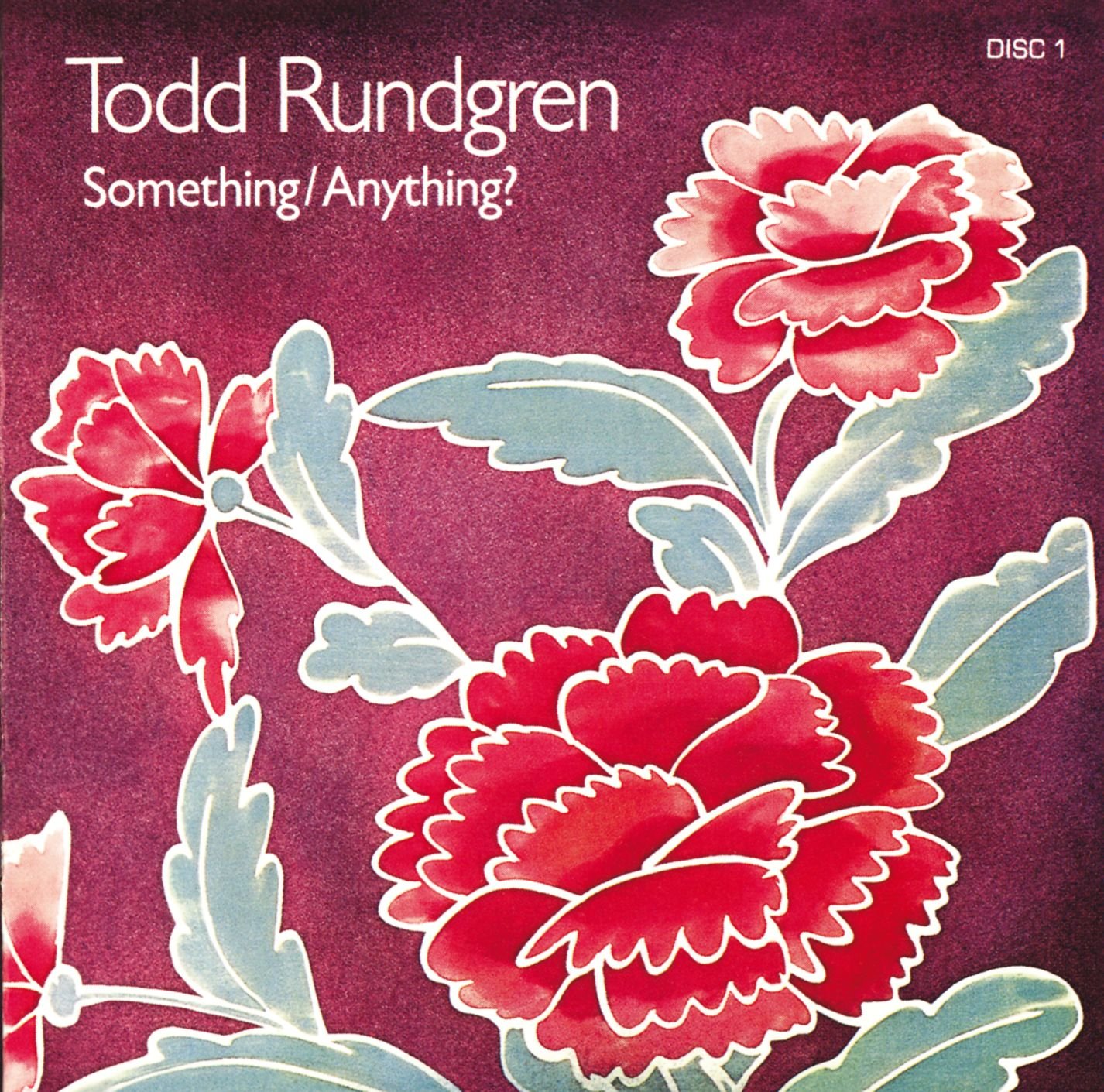
A few other housekeeping notes about the list. I’ve listed a hundred, couldn’t pare it down any further without spending too much time (remember, it’s of the essence) on what to leave off. It’s in descending order. Normally I don’t believe in hierarchies when doing my best of year lists every December, but the ranking is for my future selves to disagree, scoff at and ridicule how my taste has shifted ten, twenty, and thirty years (if I’m lucky) from now. And it’s not restricted to albums, there’s some mixes, comps, reissues and singles in my top hundred. My Favourite mixes, singles, bootlegs and albums at midlife is a bit bloated for a blogpost title.
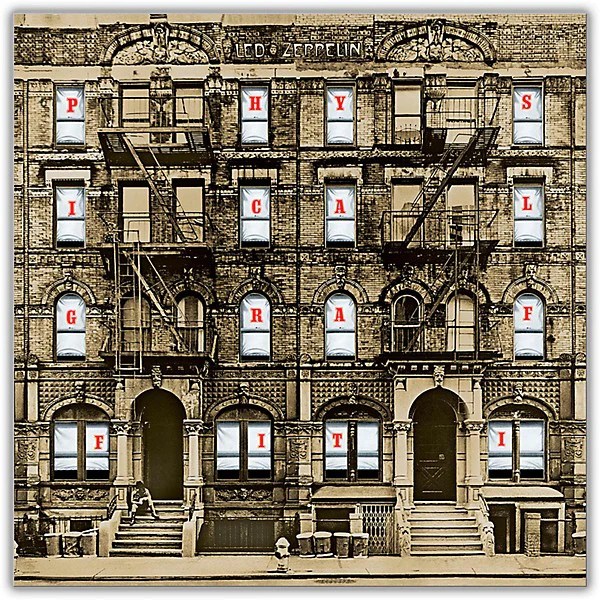
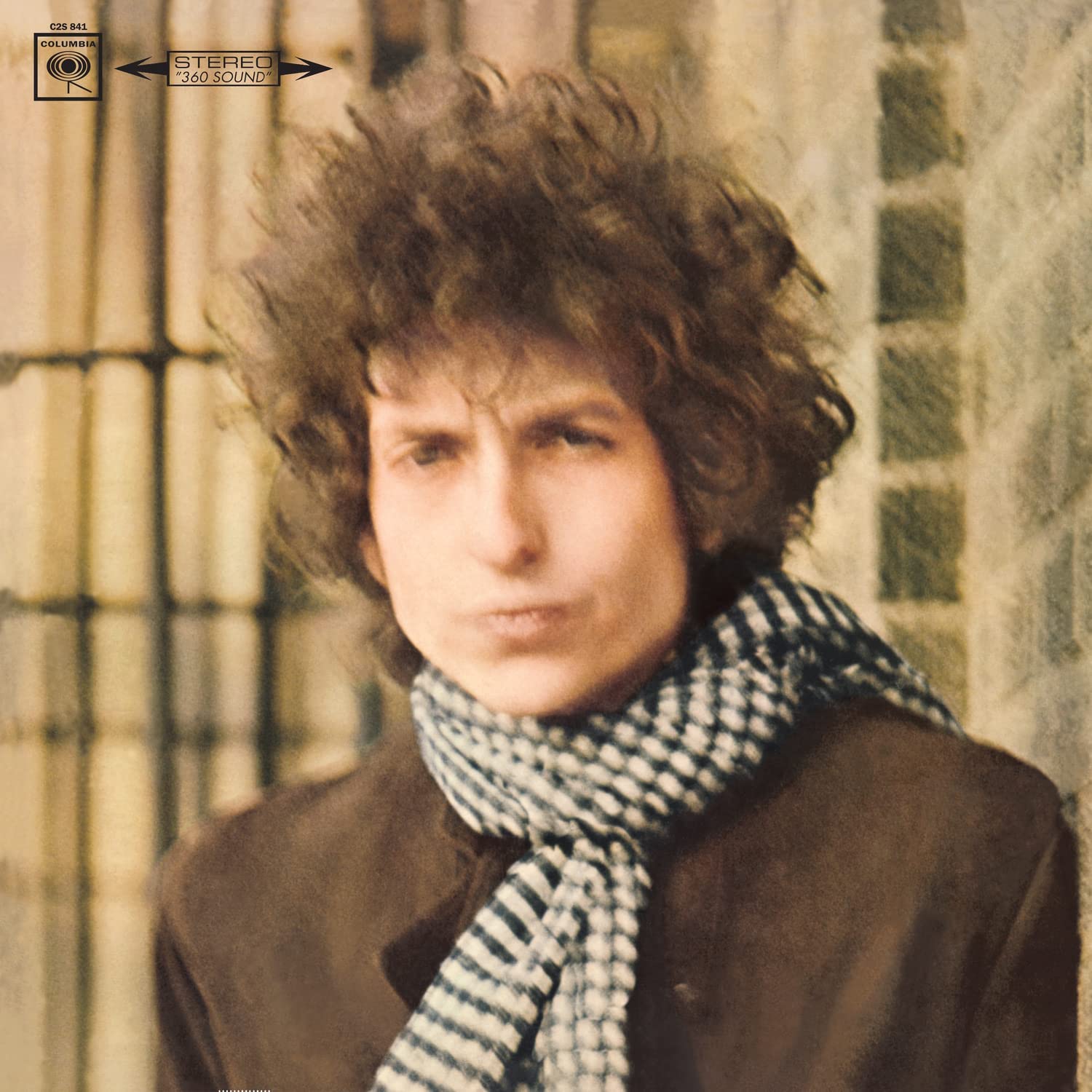
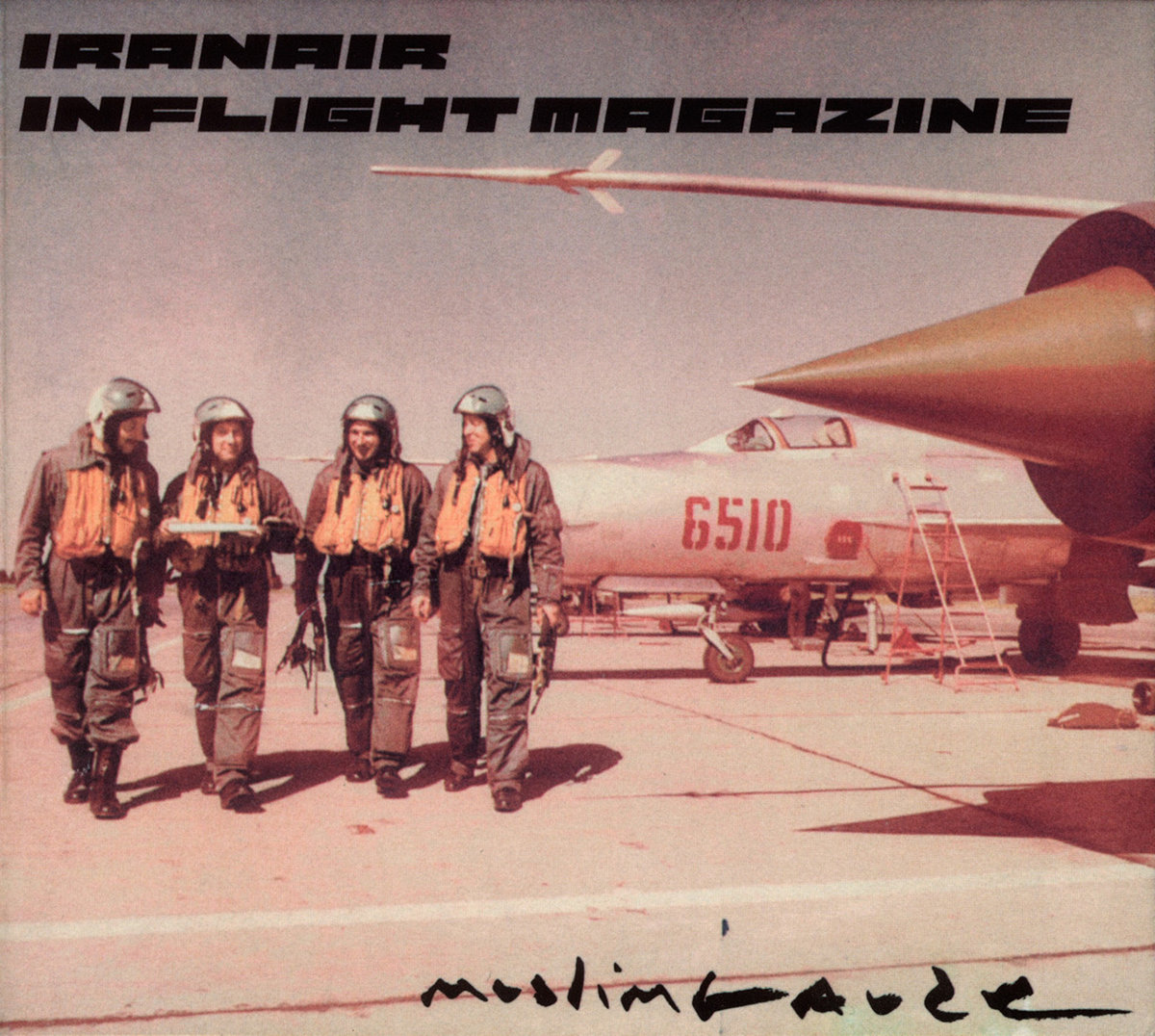
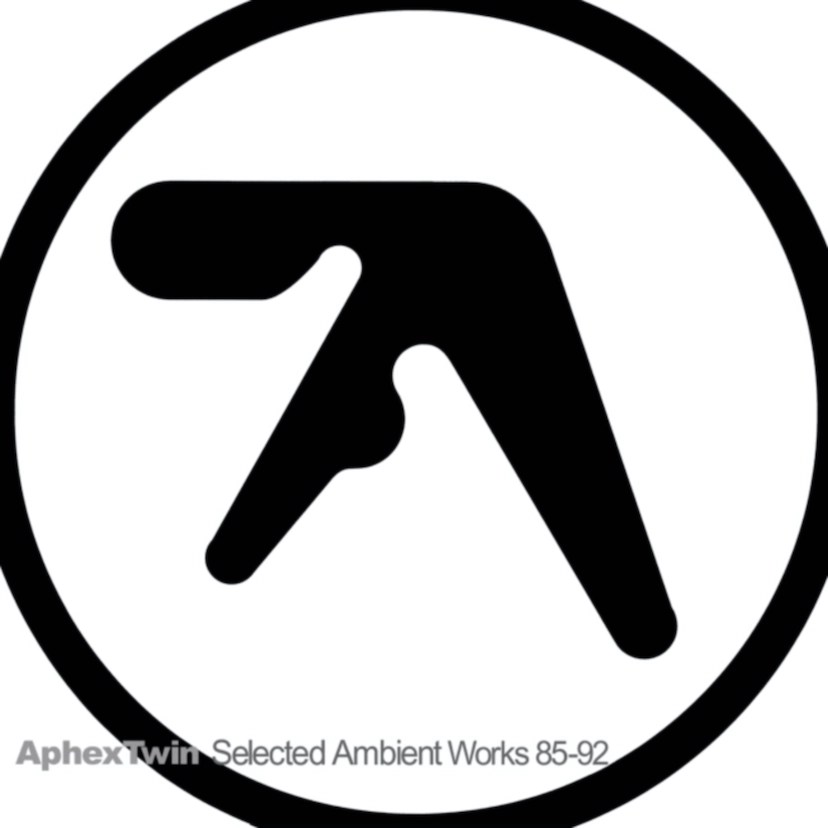
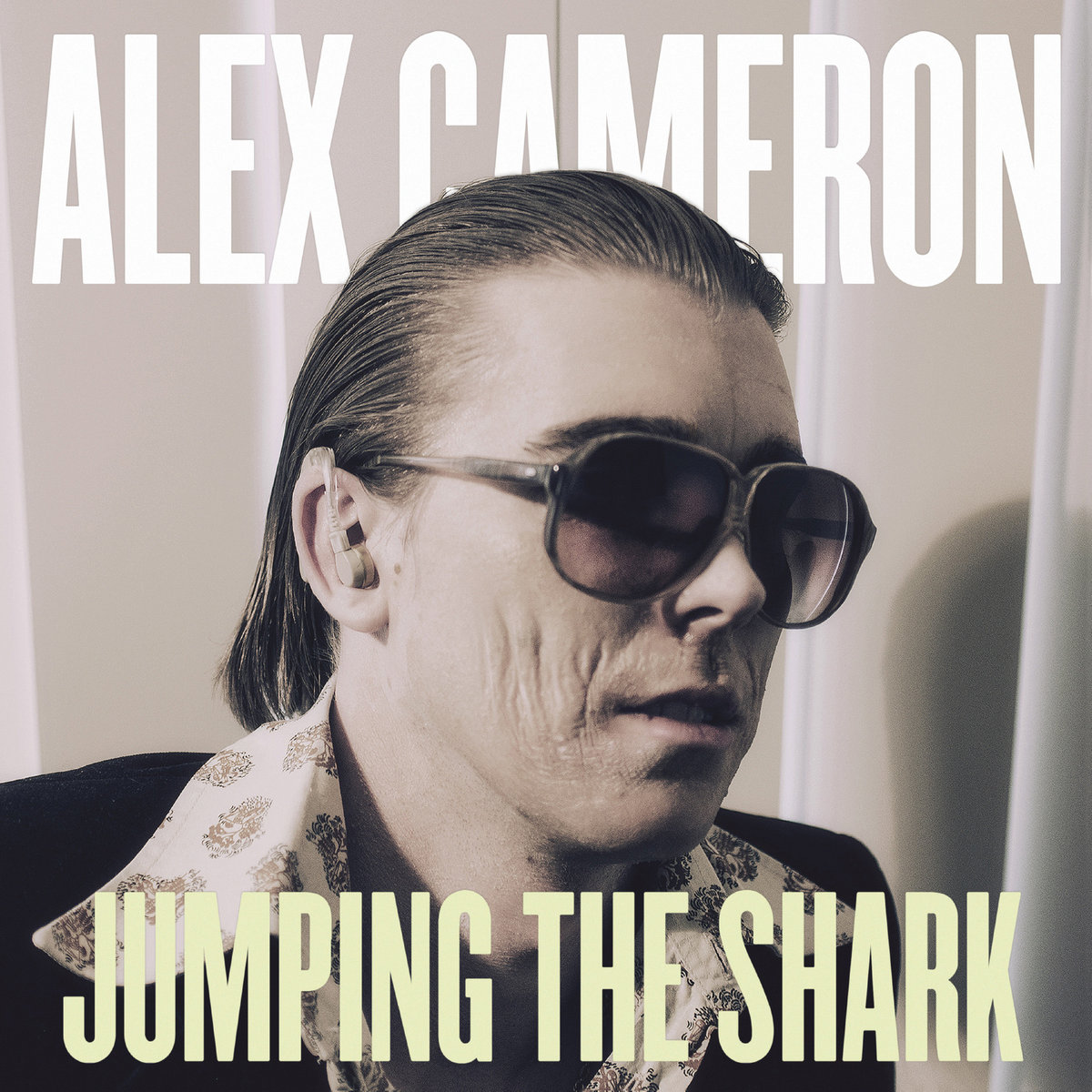
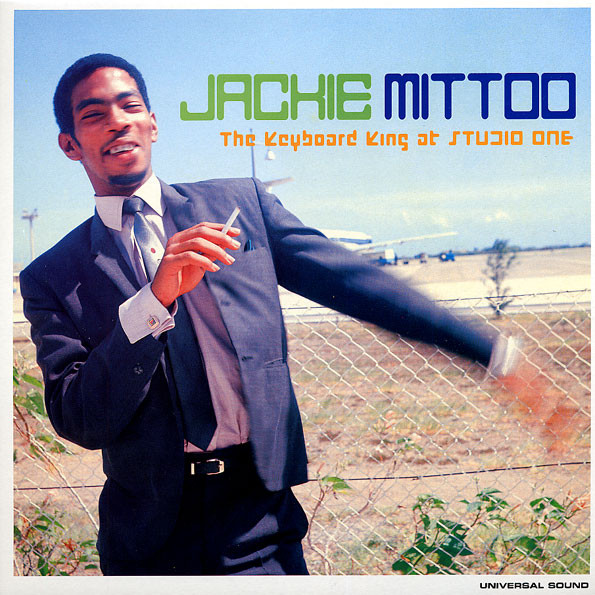
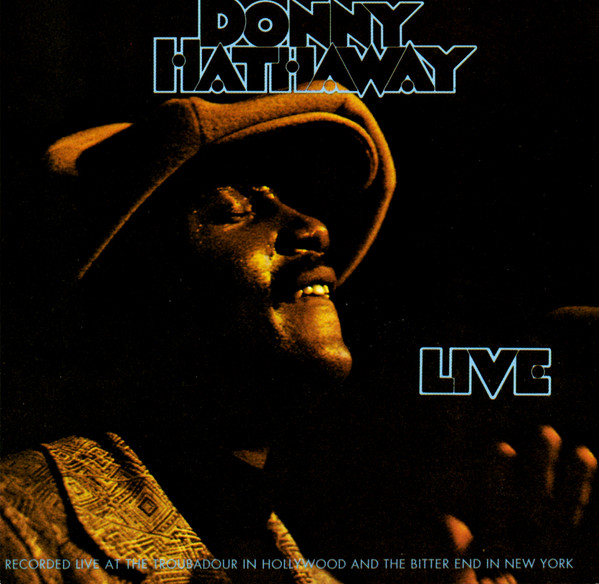
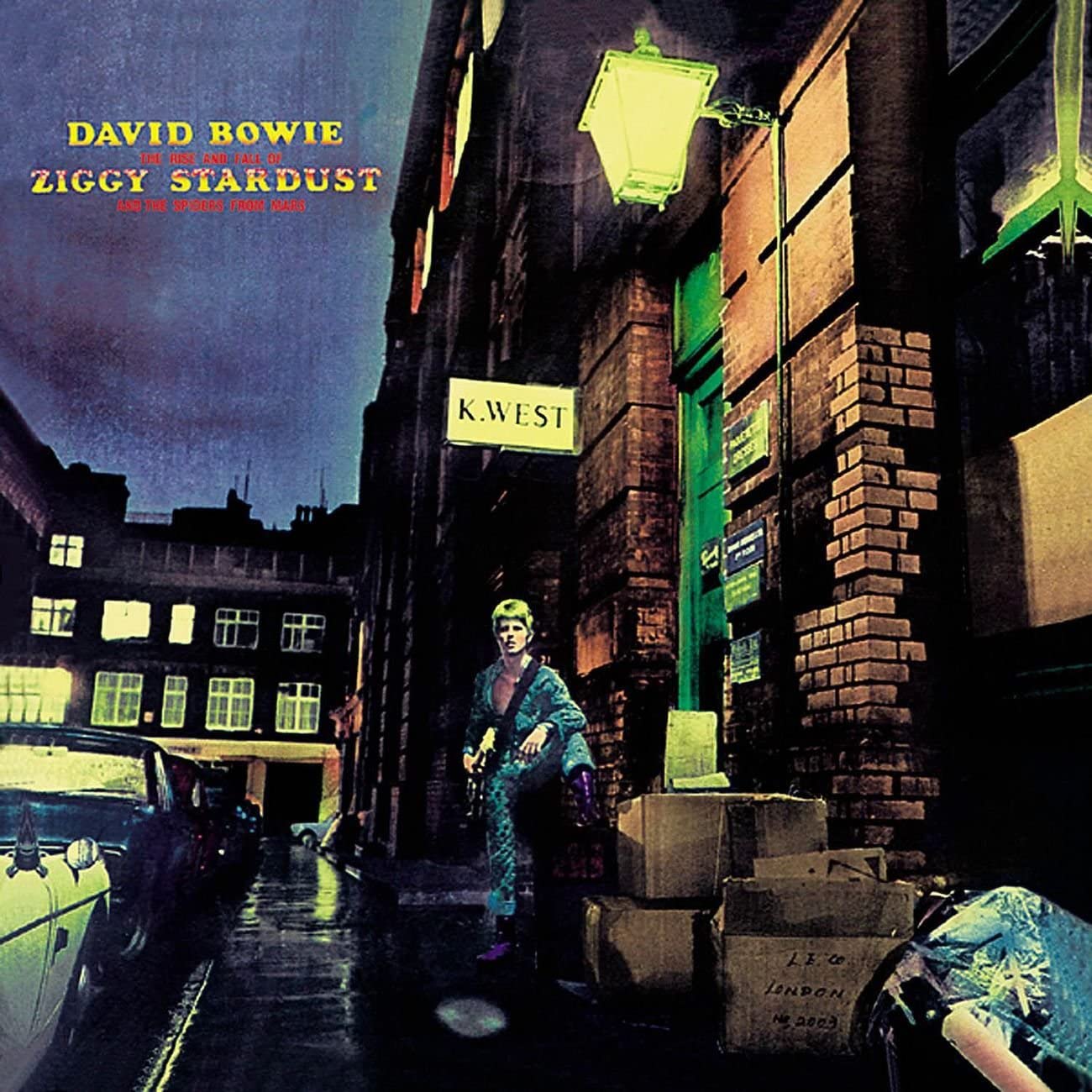
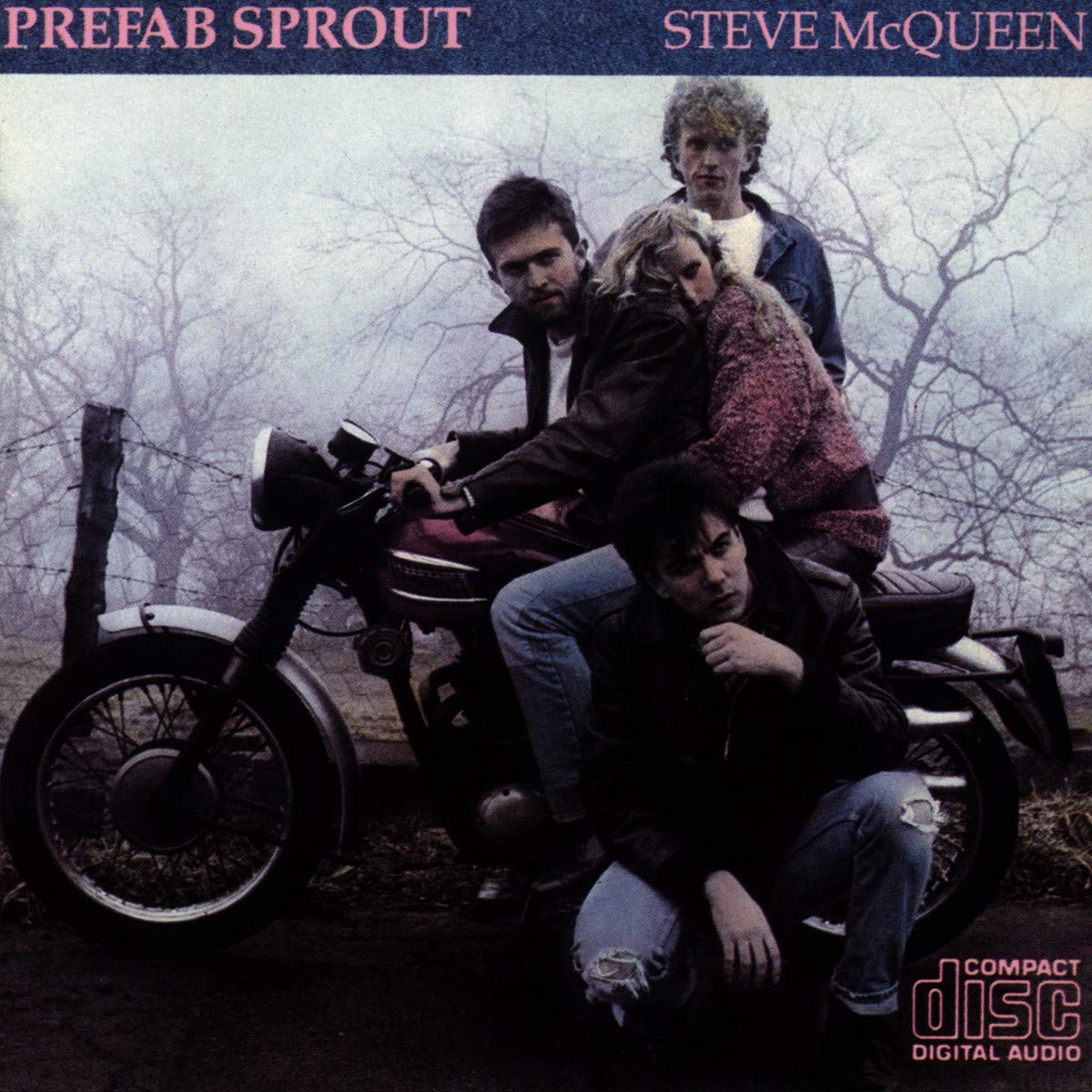
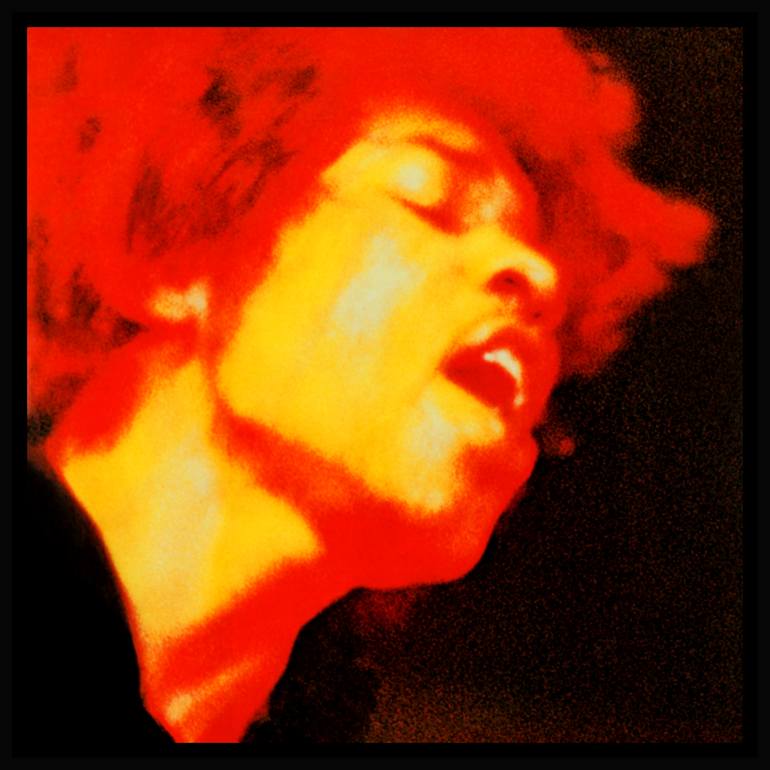
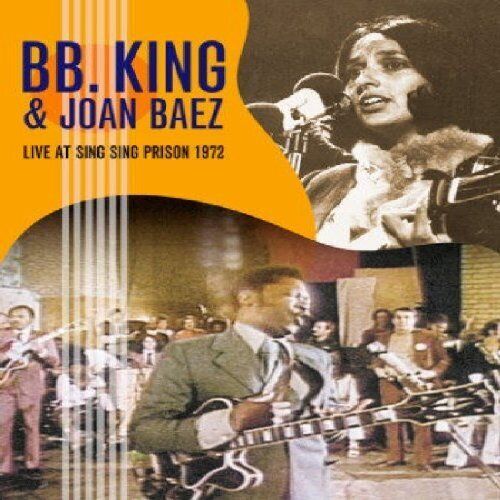
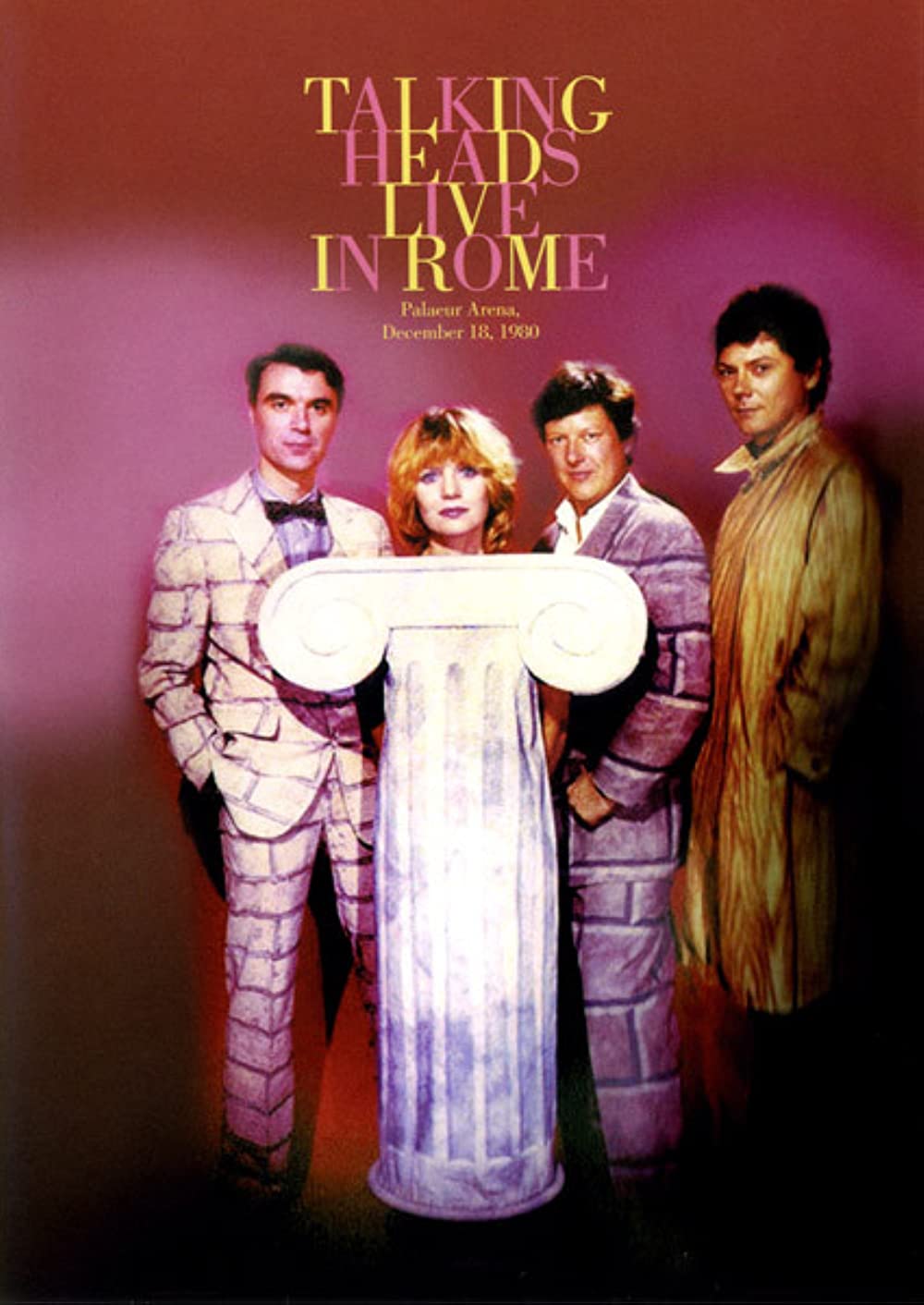
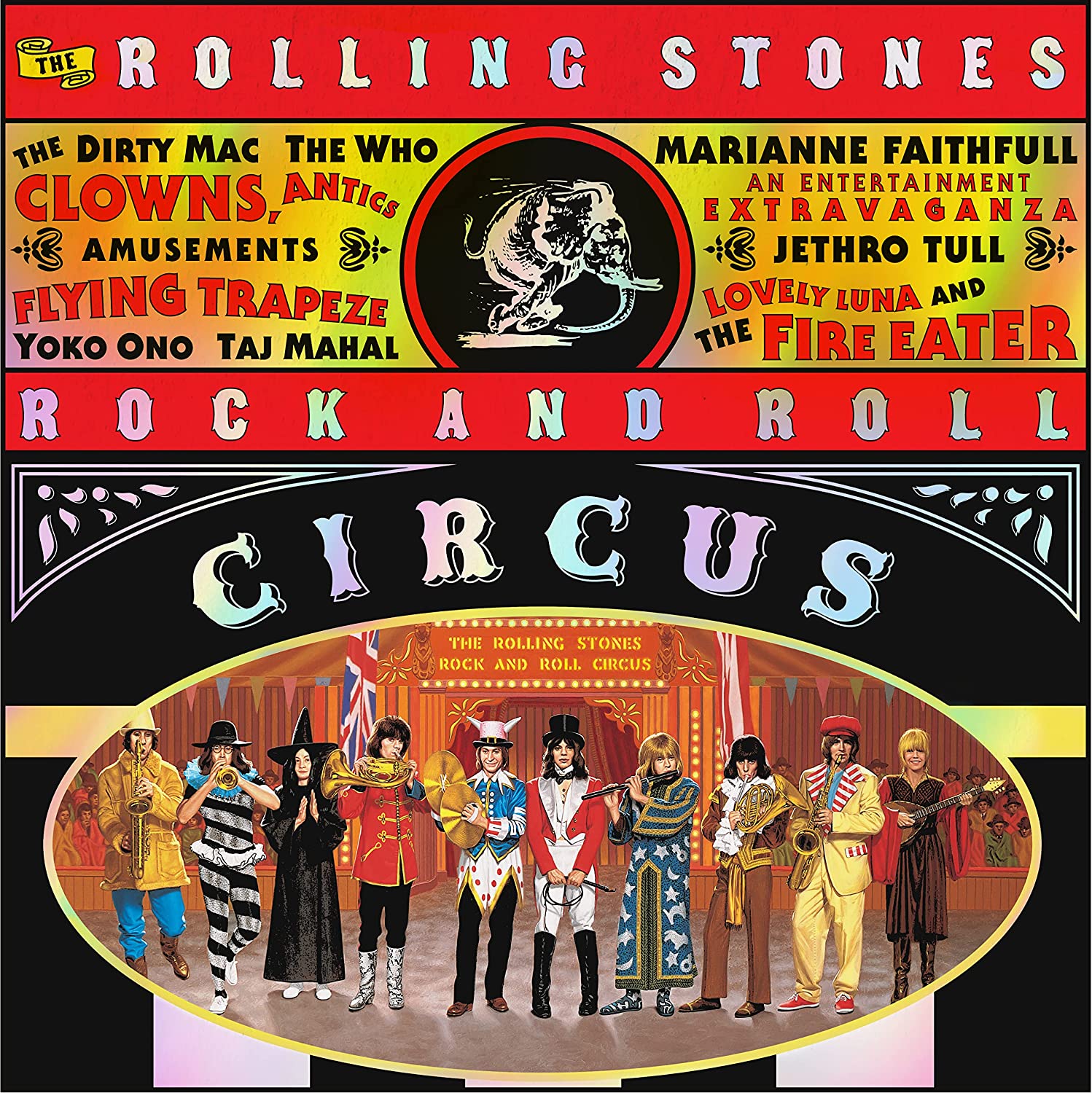
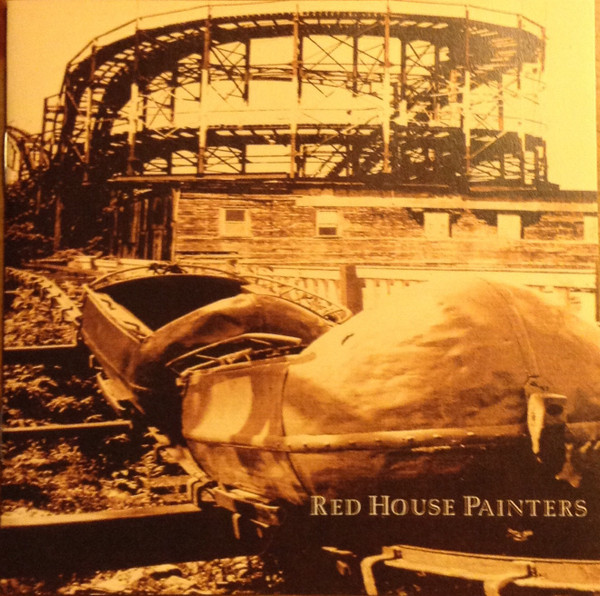
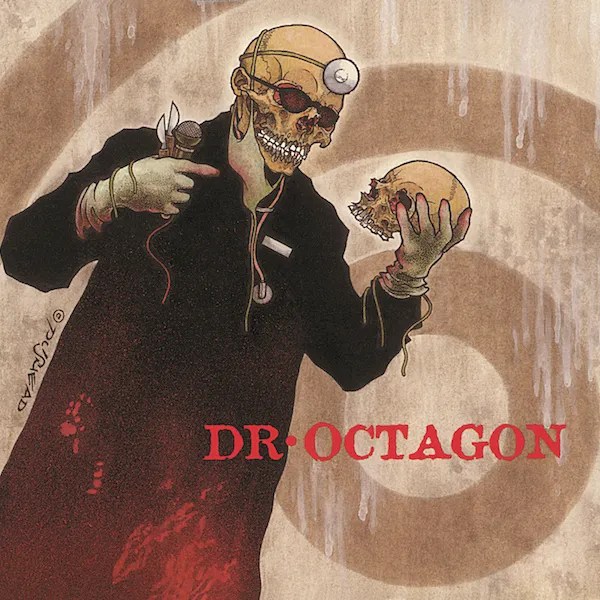
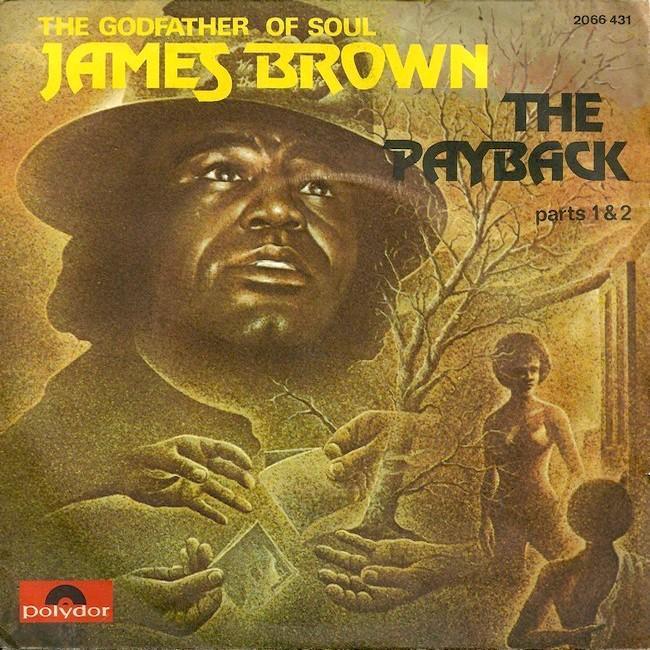
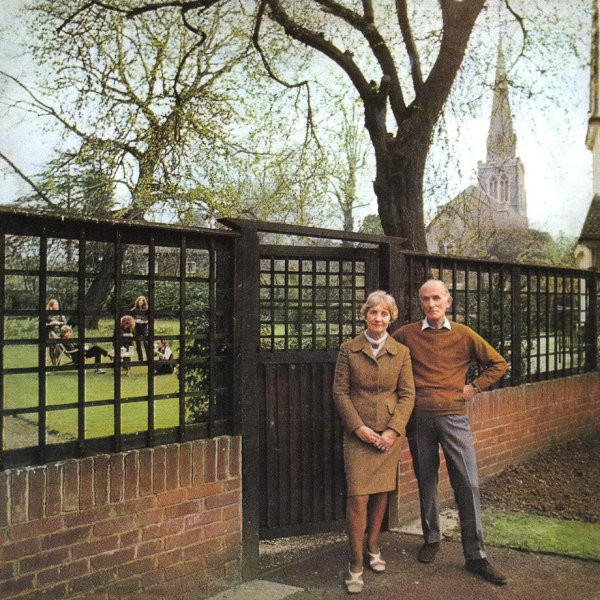
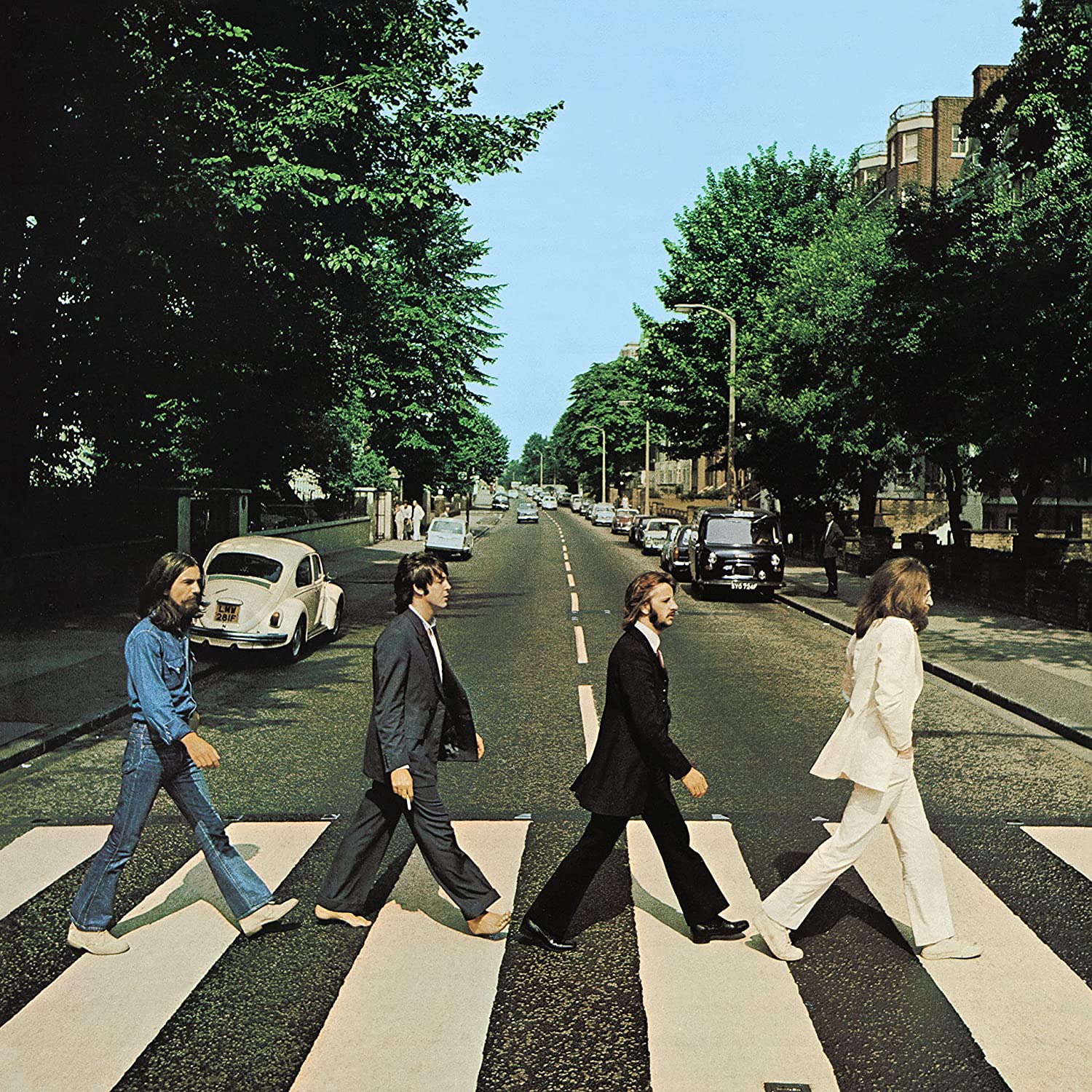
Anyway, enough rambling, you’re gonna scroll through the albums covers or maybe go straight to the top of the list to see who’s first, and that’s totally fair. Life’s too short, and, as I’m finding out, it’s going too quickly.
100. Various – Logical Progression (1996)
99. Portishead – Portishead (1997)
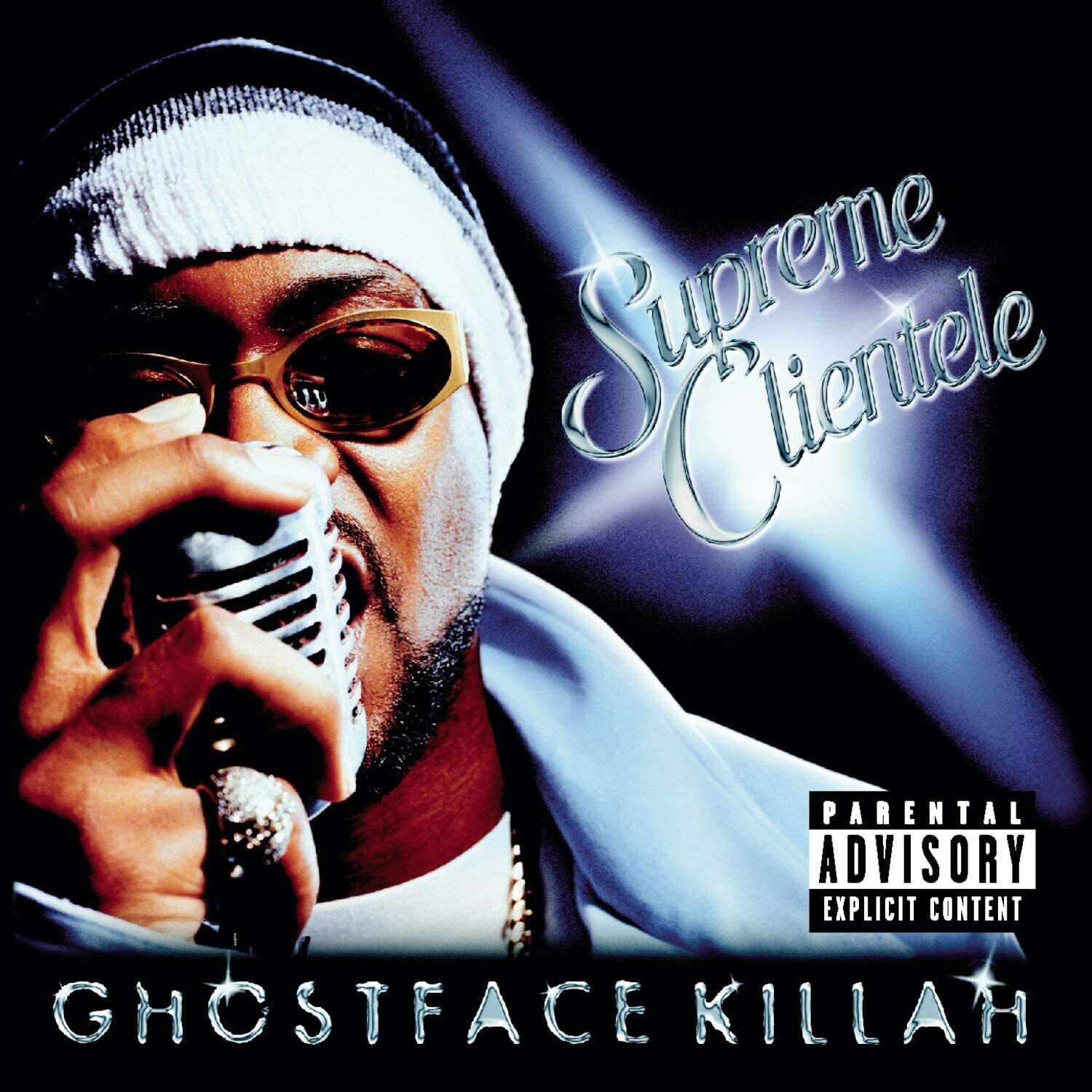
98. Ghostface – Supreme Clientele (2000)
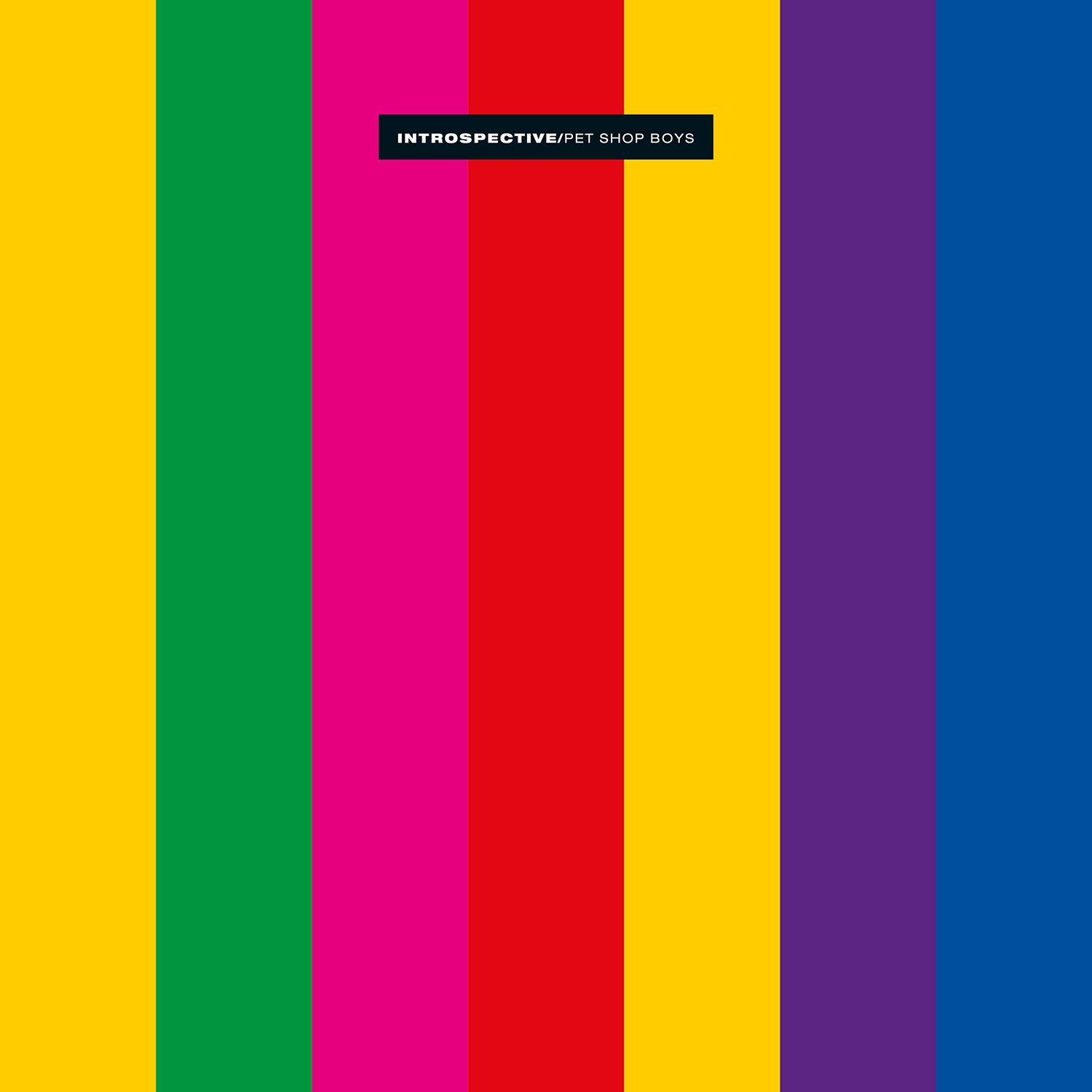
97. Pet Shop Boys – Introspective (1988)
96. Gil-Scott Heron – Reflections (1981)
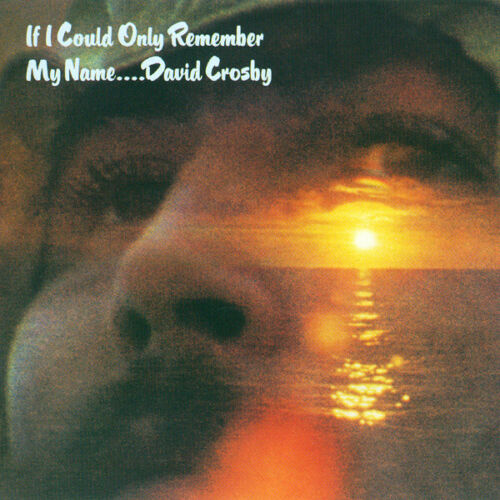
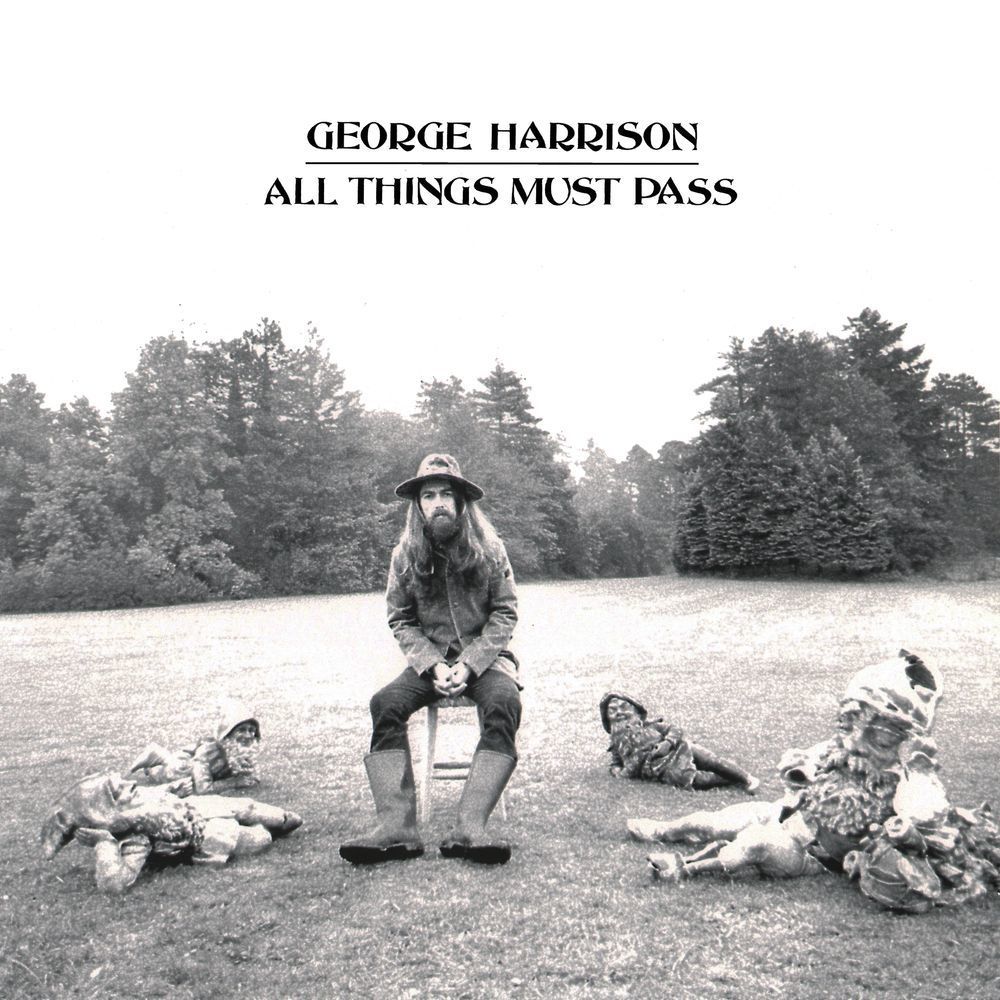
95. David Crosby – If I Could Only Remember My Name (1971)
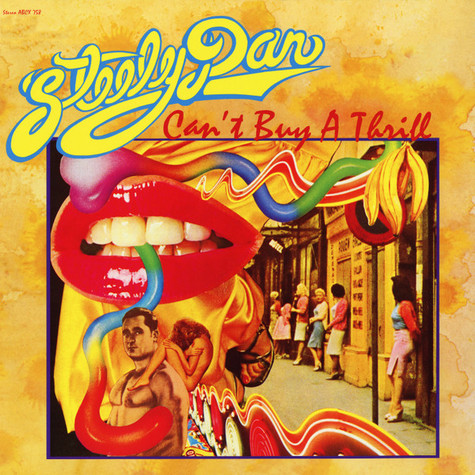
94. Steely Dan – Can’t Buy A Thrill (1972)
93. Various – Pop Ambient 2002 (2001)
92. Third Side Of The Tape – Lil Ugly Mane (2015)
91. Coil – The Gay Man’s Guide To Safer Sex +2 (2019)
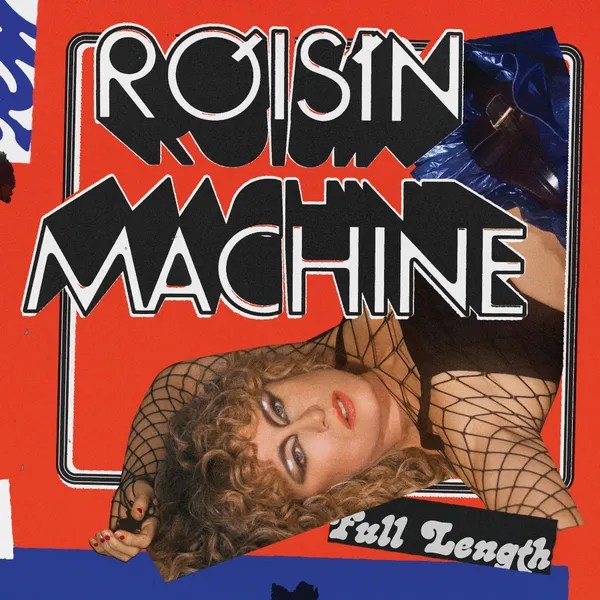
90. Roisin Murphy – Roisin Machine (2020)
89. Neu! – Neu! (1972)
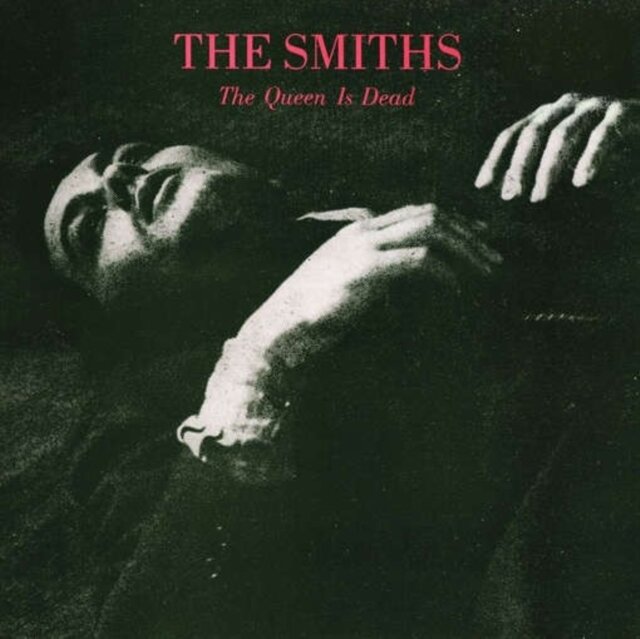
88. The Smiths – The Queen Is Dead (1986)
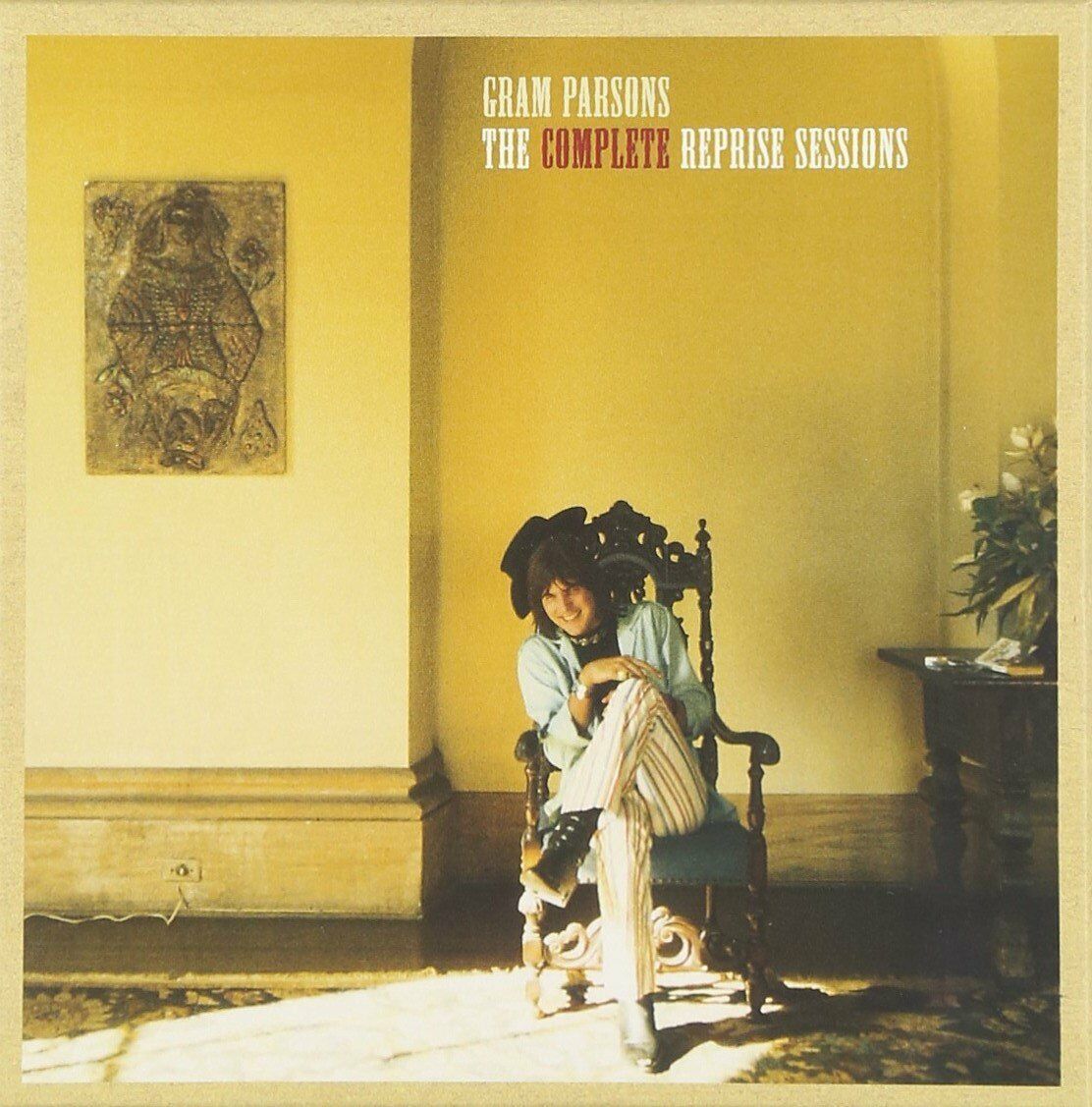
87. Gram Parsons – The Complete Reprise Sessions (2006)
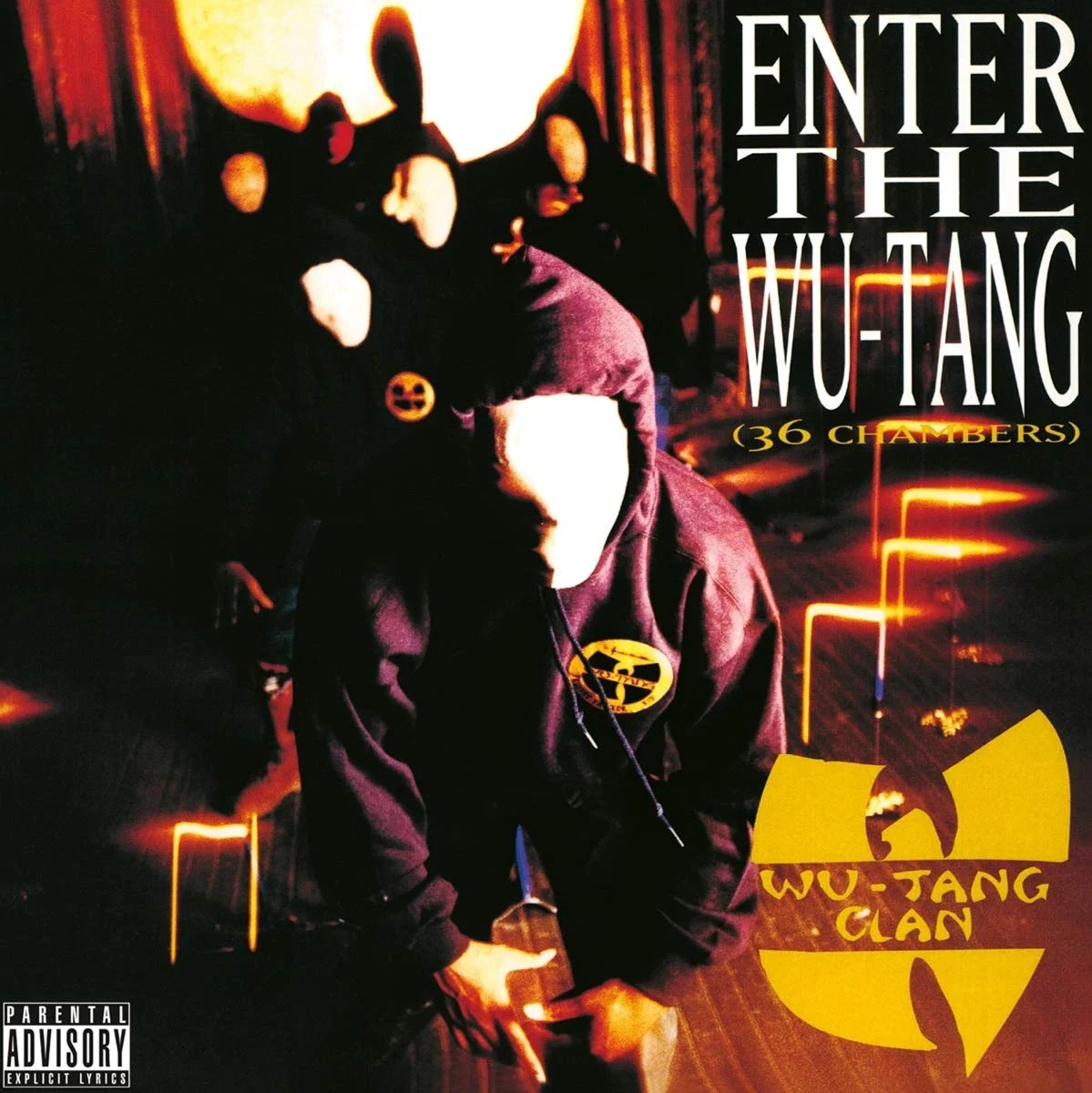
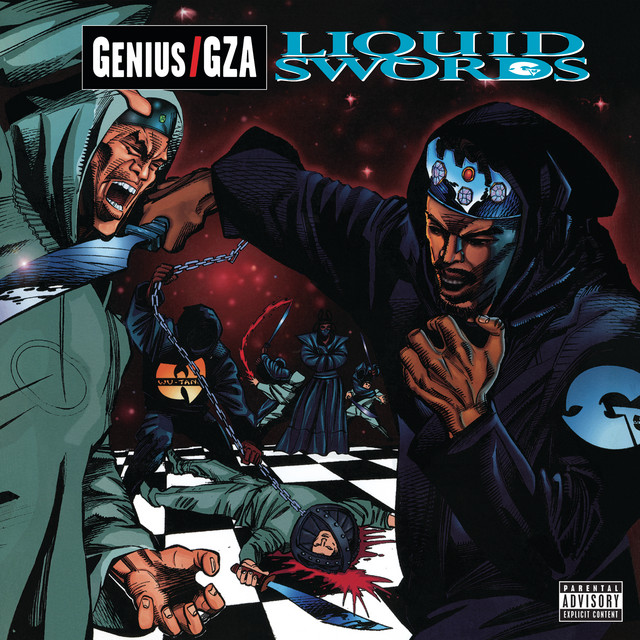
86. Wu-Tang Clan – Enter the WU-Tang (36 Chambers) (1993)
I recall ridiculing the discombobulation and the unhinged commentary in the immediate aftermath of the eleventh of September attacks, with the understanding that in their shoes I’d be similarly shell-shocked. Even comedians lost their shit and demanded instant retribution.
When we heard Queen Lizzie was on her last legs, and then was confirmed as Brown Bread on the eighth of September, similar to the eleventh of September attacks, I knew we were to witness some astonishingly peculiar stuff. But here I find it impossible to empathize with the spasms. Their cultish mania was reminiscent of the impulsiveness and denial which delivered Brexit. Both necessitated lapping up the utopian and triumphant narrative of what the UK once was, should be and look like. This is an easier path, because reconciling that with the present-day reality; irreversible racial diversity and the UK’s declining economic status, despite having secured its post Brexit sovereignty, is tricky.
Just as the economic realities of Brexit will be more damaging than the petty desires that fuelled it, the response to the World Trade Center attack was far more damaging than the attack itself – a huge death toll in Afghanistan and Iraq (with those countries abandoned and left to rot under authoritarian regimes), and an erosion of domestic privacy and civil liberties with the Patriot Act. As Christopher Hitchens once rightly put it, albeit referring to capital punishment, such an imposition expresses a fundamentally totalitarian relationship between the citizen and the state, a mechanism which all Monarchic structures rely upon.
You could see authoritarian flexes being applied to us plebeians after the Queen’s death, sporting events (but only some, and all football) were abandoned as a “mark of respect”. Businesses closed, and this at a time when many are struggling financially. Wall-to-wall TV coverage of the Monarchy was available on multiple channels, some by the same broadcaster. The BBC’s MournHub of excessive slavishness offered us a glimpse of the enforced worship North Koreans go through on a daily basis.
Strikes: suspended. Democratic conferences: suspended. Premier League: suspended.
Work and profits: ongoing. Immigration raids: going ahead. Evictions: happening. Bills: being paid as normal.
Given the current economic context, you would think the media have mistaken the public appetite for being force fed all this pomp and ceremony. There was no space for other news stories or programming, especially on the day the Queen was planted, diverging views on the Monarchy or the idiocy and excessive cost of all this pageantry, instead the message was rammed down your throat – this is the Monarchy, this is tradition, and that matters more than anything else.
Take the logic behind the criticism sessions and disappearances that were the bedrock of Mao’s Cultural Revolution, only instead of attacking bourgeoisie values and three millennia of Chinese tradition, here the mainstream media was tasked with insulating a fossil monarchy that’s funded by the taxpayer from ridicule and dissent. You may find Mao’s Cultural Revolution and the blanket coverage of the Queen’s death to be an odd comparison, as both examples exist on extreme ends of the oppressiveness scale, but both are indicators of overcompensation and unsustainability.
For those of who believe in meritocracy and a classless society it’s galling to be subjected to such propaganda on behalf of unearned privilege. The attempted resuscitation of Prince “who’s sweating now?” Andrew was probably the most egregious element. His clear links to an infamous couple found guilty for trafficking young (and underage) girls for sex and pimping them out to their rich mates on private Caribbean Islands – this scenario conjures Wicker Man rituals but with Mojitos – was seemingly forgotten for the good of the mood.
Charles has now appointed Prince Andrew to step in for him first if he is ill or out of the country.
That's right, the same Prince Andrew who was a close friend of Jeffrey Epstein and used £12 million of our money to settle a sexual assault case.
In contrast, Meghan Markle is always fair game. Despite being independently wealthy she is the wrong sort. The Daily Mail’s ongoing offensive against her, hypocritically too, as it continued through the mourning period, is racially fuelled. Yes, the Daily Mail and its readers are the scum of the earth, the sort that stand outside courtrooms to throw rocks at nonces being driven away in a security van, but that they can so easily whip up hatred at the racial integration of the Monarchy, is somewhat revelatory, with its associated nationalism often correlating to beliefs in racial supremacy, separation and extoling the virtues in subjugation and kleptocracy.
Unlike the death of Diana Princess of Wales, which became a marketing event, as Christopher Hitchens skewers brilliantly above, this fascination of, and hype around the Monarchy, even the Markle obsession, are just a means of mass self-deception. It’s the last days of Rome, one final reflexive celebration of British exceptionalism rather than of the Queen’s “service”, which, being cynical, few genuinely care about. Many saw it as an opportunity to be a part of history, even though they know history will surely forget them.
About the queue, nothing wrong with queuing for something that you need, say some cocaine outside the nightclub toilets, or a fish supper. The consensus estimates a quarter of a million queued to see the Queen lying in state. Not even the Central Committee got those numbers for Lenin. It was dishearteningly impressive.
That the Monarchy’s popularity has endured this long can be explained simply. Queen Elizabeth, as heads of state go, was somewhat unusual in being politically neutral and emotionally reserved. At worst that produces apathy at the Monarchy’s existence. Second, there’s a significant section of society that has a weakness for hereditary privilege, ingrained by centuries of grooming to grovel to their betters. Third, change is uncertain, so it’s easier to cleave to the idea of monarchies inculcating political stability. We’re not like these other neighbouring countries who have fallen prey to fascism, despotic leaders and revolutions. The French are on their fifth republic and they’re French! Ze Germans didn’t form as a country until 1870 and then went all fascist for a bit and killed quite a lot of folk. Italy had Mussolini running the show for twenty years.
If you wanted the truth about how the world views this quixotic and dysfunctional relationship the UK has with its Monarchy you needed to live abroad, where the coverage was far more balanced and at times critical. Well played Trevor Noah. And it was left to social media platforms to offer satire and ridicule. Take the tweet below, so much to relish here; the sound effect of the coffin slapping the platform and the Queen’s cadaver reverbing, the Kawasaki message “Of Let The Good Times Roll”, blowing out the windows of Westminster Hall for pedestrian tubes, 3D rendering showing you the direct user experience and the data science ‘logic’ underpinning the plan. A real tour de-force.
I’ve come up with an interim solution to the queuing issue to see the Queen’s coffin in Westminster, let me know what you think, it’s not perfect but I don’t see anyone else coming up with anything pic.twitter.com/RIstM7kIT8
Sometimes things can take a long time to change and when change arrives it often feels sudden. What we know for certain is we’ll be waiting far longer than those sad bastards who queued to see a coffin.












































You must be logged in to post a comment.